 Evander Batson
 xinhe feng
 FluffyLeecy
 frankiezek
 gaboratparsons
 giang063
 gracegotlost
 lauriewaxman
 Siwen Li
 Xiaofeng Lin
 Yury Gitman
 mar28th
 Max(TONG WEN)
 Soohyun
 sabotai
 Susan Lin
Some more prototypes and junk


Here is the latest round of prototypes. I choose to prototype the in home Flush-o-meter. This device will tell you when you should be saving water or when its fine to use it.


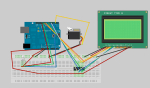

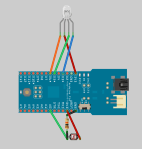
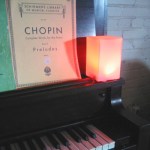

Question: what were the easiest things about these prototypes? and what were the hardest things about these prototypes…
The easiest thing was what the object was actually going to do. This is the part of the object that I’ve been thinking about the most. This includes ideas about how its going to function. I want this object to do BLAH so it was easy to think about that.
The hardest thing was to figure out how this thing would look. There are so many different styles of devices and consumer things that its hard to choose a group to put this into. TOO MUCH TOO CHOOSE FROM

There was no possibility to make from my last week ideas. So I rethink 3 ideas possible to make even prototype.

The hardest thing is making ideas what I can make prototypes with possible technology and useful.
The easiest thing is if a idea has a certain role, other parts, visual and implementation come easily.


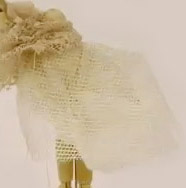
I am interested in shape memory alloy technology and the potential of using the technology in novelty gifts and/or wearables. Although SMA(Shape Memory Alloys) are commonly used in the fields of medicine and industry, it has the potential to become a more commonly used technology especially in product design. The way the SMAs work is that they have a memory state which can be set through a rigorous process set by the weight and model of SMA. Once the shape is set, you can deform and misshape the SMA and by applying some heat or current of electricity, the alloys return back to the remembered state. The alloys are made with titanium metals and are stronger than you can image, however it does not do well with too much resistance multiple times because it can remember the new shape, the alternative shape while it is hot. After some experimentation, I think it is possible to get really good results with this technology and creating novelty greeting cards or gifts.
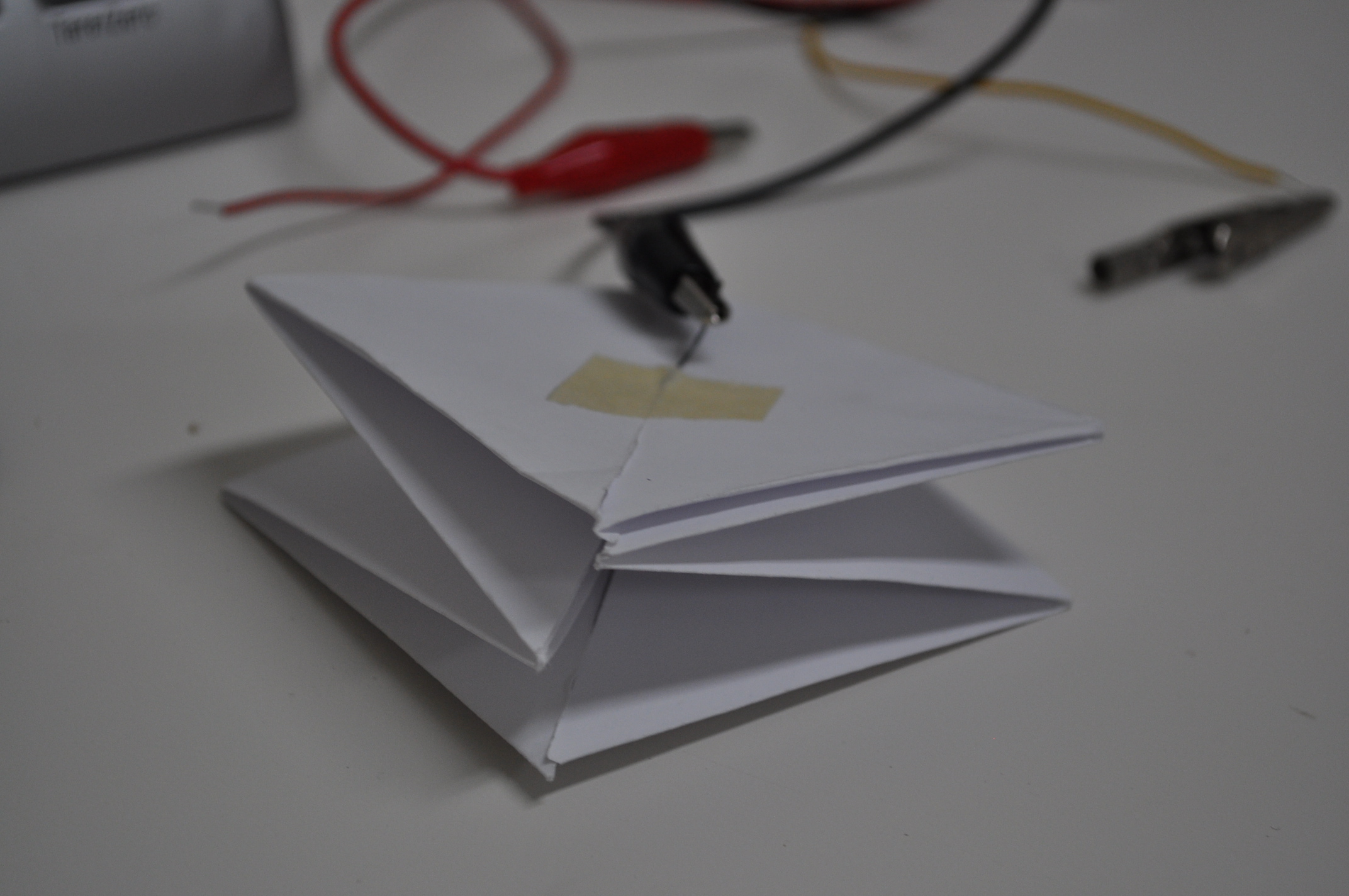
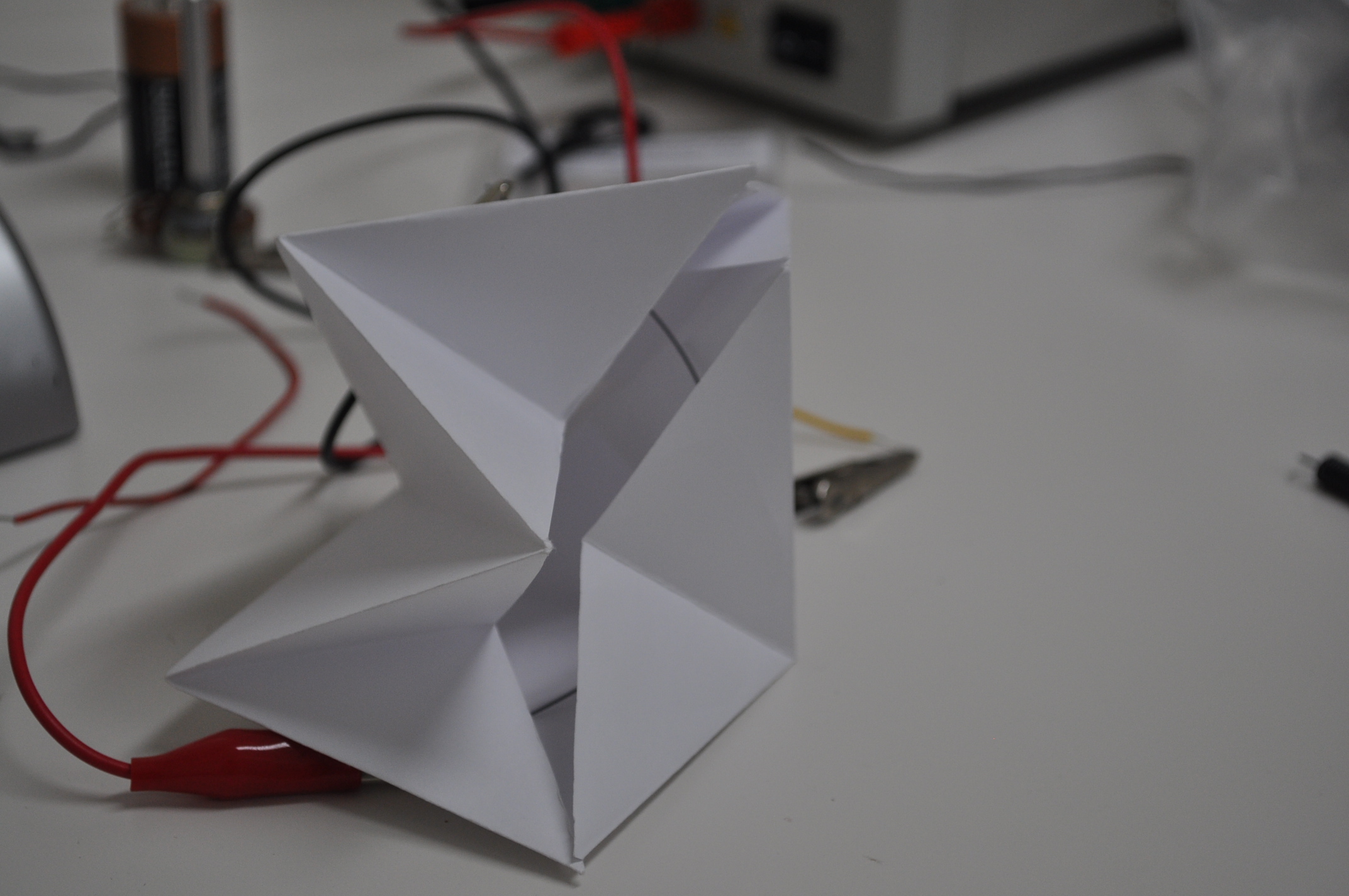

One of the issues I had was getting my hand on some memory alloys, I had done some tutorial videos with a friend in another class but to order some of my own was difficult to find out where from. I think secondly I was having a difficult time thinking up alternative roles for these greeting cards. I am kind of stuck on the cake in the oven, but I hope I can figure something else out.

Of my 6 ideas, I decided to focus on Haunted Fridge, the shoot-em-up game that uses real world energy use to generate levels, and Sound Ball (working title), a set of physical balls that can be manipulated to create sound and music.
ROLE

Haunted Fridge Role
Haunted Fridge should be a casual game. One of the reasons people would want to play is to see the levels inadvertently created by their friends. This could also lead to peer pressure to be more energy efficient as people become more acutely aware of the energy habits of themselves and the people around them.

Sound Balls Role
In addition to free form play, the Sound Balls could be used in a performance setting. Most likely this would be alongside other instruments, either electronic or not. Both the surface they are being used on and the gestures used to manipulate the balls would contribute to the performance.

Sound Balls Role 2
The Sound Balls afford free form play and exploration. If made available in an inviting place, people could interact with them, making amusing sounds and learning the system. The balls should create pleasing sounds no matter what happens to them, to make play fun without any introduction beng necessary, but should also allow more advanced users to to have some purposeful control over the sounds being made.

first picture. AMAZING
no wait, second picture. AMAZING

Question: What was the easiest thing about the 9 prototypes. What was the hardest?
Figuring out the roles was probably the hardest. I know what I want my projects to do, but I’m not always exactly sure how they would fit into people’s lives. Obviously, it’s a question I need to answer, but it was tricky to actually work it out in a way that wasn’t me saying what it does or how it does it. My relative inability as a free hand artists was not helpful for that.
The easiest was probably the Sound Balls implementation prototypes. Although they took me a fair amount of time to make (especially the second one), I found the work really interesting. Actually trying to express what I want the project to do caused it to go very quickly through a few iterations as I played and found what kind of interactions were interesting or fun versus the kind that felt stagnant.

Even though all these are super rough cardboard and paper glued and taped together, I’ve learned a lot already about some very specific areas I’ll need to research and focus on.

The easiest thing about prototyping for me is coming up with ideas and roles. I can easily imagine how things should work, what would be cool, and what would make something better, but when it comes to building a physical representational prototype. I often get hung up on materials, size texture, etc. Often I’ll start off treating physical physical things like precious objects and end up failing. Eventually I’ll finally let go and start throwing things together and get moving again.

Ted just told Sven he looks like “an Eastern European Gangster”.

Roles
1) CMS for Dummies (or those without a lot of administrative rights)
While a typical db-driven CMS may be good for many people, it requires more initial setup and a bit of expertise and access to make it happen. A robust and sophisticated CMS could conceivably be built storing all the data in files instead, and using PHP or some other server-side language to put it all together in different ways. Templates and themes could be used, settings, links, and common headers, etc. could all be a part of this, and instead of using a lot of propietary code, this CMS would use standard for everything.
2) Low-bandwidth CMS for low-tech servers
In many places around the world, bandwidth and modern web servers with current versions of MySQL or some other database can be quite limited. Most off-the-shelf CMS’s do a lot of sophisticated work, but can be quite resource intensive. A CMS that prioritizes small transfers of data and low overhead for the servers and users could save lots of money and time over the course of the
3) In-line Site Editor
Many CMSs make all the data modular, and if somebody wants to update content in the sidebar, the main area, and the navigation, they may have to go to three or more places to make these changes. By moving all of the content into HTML files and allowing the links to be embedded into the files themselves, editing can occur in the browser on the same page.
Implementation
I’ve created a few prototype pages to see if I can get some of the functionality I would like in a CMS like this. In my mind, the basic phases that I have to worry about are the design phase (choosing and enabling certain objects to be editable), the edit phase (where changes can be made directly to the text) and the admin area, where files can be managed and links can be created between pages.
Look and Feel
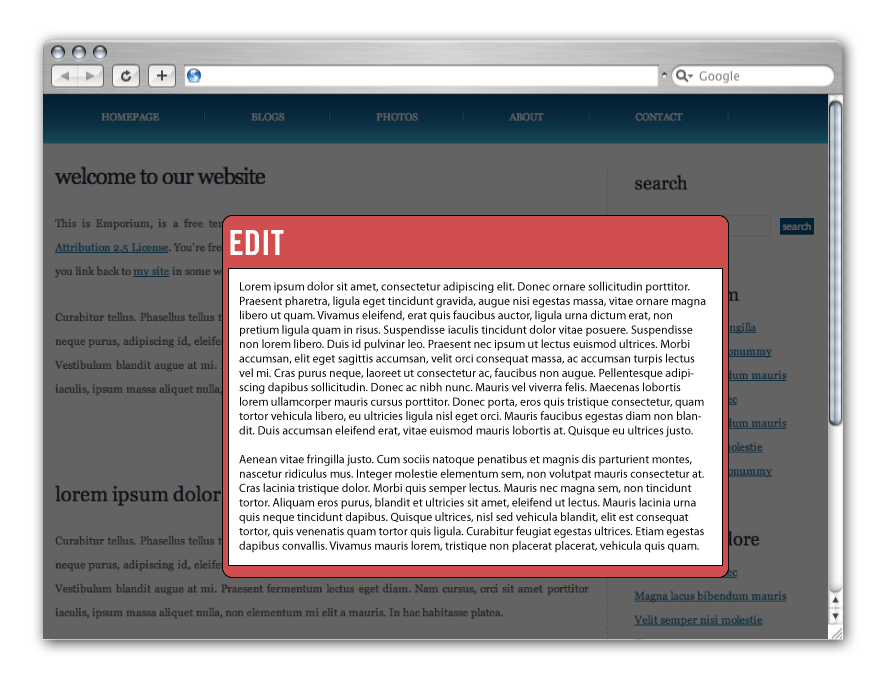
It’s still kind of early for me in the process, but a big part of any direction I choose in this CMS, I think it is important that most of the administration happens in the browser page. It may make technical sense to manage the content away from the layout and styles, but quite often it makes more sense to the user to see the changes as they happen, and to picture the scale, position and it’s relevance as they develop it. Here are a couple of early mock-ups I’ve made:


What do Prototypes Prototype
read it (again), live it, love it.

Here is the Experience Prototyping reading:
video
http://abcnews.go.com/video/playerIndex?id=7001867
and science:
http://www.nifplay.org/science_intro.html
Materials thing; not sure if anyone saw it.
http://amt.parsons.edu/2011/03/03/materials-exploration-symposium-march-31/
CSO outfall sensor: This is a device that will measure the amount of an outfall and accurately report when a CSO is outfalling. It will take other measurements about the waste water at the time of the outfall.
Magic Mirror: This is a mirror that will allow people to try on clothing with out actually trying it on. The mirror will “place” the clothing on the person standing in front of it. The person will be able to choose the piece of clothing that they wear. This could be used for historical clothing as well as for a shopping aid.
Flush-me-not: A device that the user installs on their toilet that reminds them not to flush if there is a CSO outfall in their area. This device also makes the recommendation about how else to save water.
Public flush-o-meter: A display device that simple shows how much people are flushing and how much of that is ending up in the NY harbor.
Mobile flush-o-meter: Based on where you are it flush-o-meter tells you whether or not its safe to flush a toilet.
Mobile PaintOut: a mobile platform for people to create digital graffiti. This would allow people to create graffiti on any surface with out actually leaving a mark on the surface.


1. Open CV Shape Puzzle
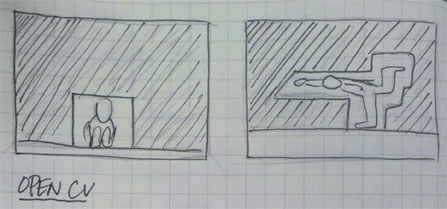
Similar to american and Japanese game shows players are challenged to fit into shapes, openCV and a projector would be used to take the game anywhere.
2. Concert Room Visualizer

Using environment and sound sensors a wall of LED would visualize that the concert hall was experiencing within its walls.
3. Room Synthesizer
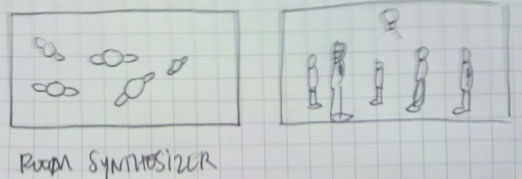
Use openCV to create sound synthesizer out of people walking within the room.
4. Smart Home Recommendation System
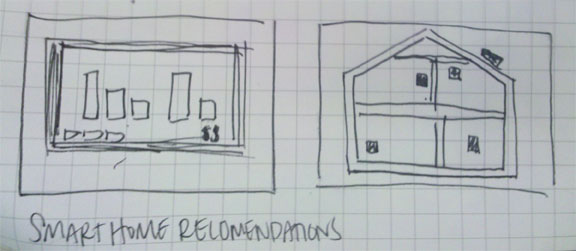
Track data inside and outside house to make recommendation and train users on best home practices.
5. Aquaponics

Track and create a system for hydroponics and fish farming, tracking water nutrient data in order to facilitate growth of fish and plants.
6. Emotional Computer

Computer that responds to your activity with it. You must keep it happy to continue to use it. If it is unhappy you must make it happy before using it.
Design writing represents one form of expression with the MFADT program. As a result, students in the Major Studio. In addition to learning how to write a design brief, students will also be asked to produce a longer piece of writing associated with the many aspects of their course work.
*Document Objectives
1. Present a clear and concise overview of the project concept;
2. Situate the project within historical and creative contexts;
3. Provide a set of criteria used to evaluate the project;
4. Provide self-assessment of the project’s strengths and weaknesses
5. Give an overview of the design process;
6. Present a list of related resources.
**Guidelines
This document will be composed of the following sections:
A Thesis Sentence and Thesis Paragraph: One sentence that summurized the big picture of the project. This is located in on paragraph that expands on that one sentence.
Domains: what are the domains with which your project engages? What relationships exist between these domains?
Summary: a narrative description of the project. What is it, who is it designed for, what is it designed to do, what kind of technology does it explore, etc.
Precedents: What are examples of work that share something in common with your project? These precedents can be contemporary or historical, can be drawn from the realms of design, technology, sociology, psychology, etc. In preparing this section of your document, please include the following information for each precedent discussed:
• title of work and author/designer/artist
• brief description of project
• relevance/relation of the project to your own work
Iterative Design Process and User-testing: a narrative description of your process, prototypes, user-testing, key methods and discoveries, sample sketches, storyboards, diagrams, etc.
Evaluation: the Evaluation section of your document has two parts:
• a narrative summary that outlines your thoughts on the strengths and
weaknesses of your project.
• a list of criteria that you are using to evaluate the quality of your project. These criteria will be shared with the critics during your final presentation, and will serve as the basis for feedback during your review.
Future Directions: Summarizes what step would be taken if this project would be continued in the future. This should be written absolutely last, and after final presentations.
Bibliography, References, Resources: a list of important works used to guide your project. Bibliographic information should include the title of the work, author(s), publication date, publisher, and pages cited.

As a product designer I am very interested in the intersection of both Technology an objects. for my 6 ideas I gravitated into 6 domains:


Check this out RE EEG thingie: http://www.ubergizmo.com/2011/03/browse-flickr-emotiv-epoc/

Thanks very much Bree!
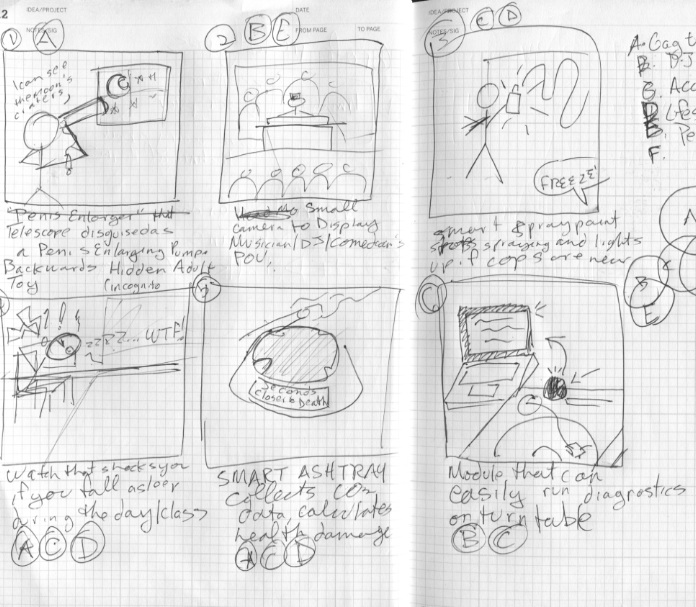
1. Reverse Incognito Adult Toys. In this example the user is using a telescope that is disguised as a penis enlarger pump to view the cosmos. this can also be a vibrator. other ideas would be a porno dvd case that would be a a cigarette/cigar case or nicotine patches hidden in condom wrapper.
2. Musician Cam is an easy to use and wearable camera that would display a musician’s point of view during a live show.
3. Smart Spray Paint Coozy wraps around your spray can and alerts you when cops are near by
4. Mid-Day Nap Preventor shocks you if you fall asleep during the day
5. Smart(Ass) Ashtray collects environmental data and tells you how many days you’re shaving off your life
6. Turntable Diagnostic is module that tells you what’s wrong with your turntable.


 lpercifield is discussing.


 Oylum is discussing.




 hilalkoyuncu and
  breegeek are discussing.
  Making Toys




Victor Kim 10:13 pm on March 28, 2011 Permalink |
What was the easiest thing and what was the hardest thing about these prototypes?
I think I am still struggling to figure out what I want to do for this project, so the hardest part was deciding which ideas i wanted to prototype. It was easy to mock it up, but for the most part, I am not happy with any of my ideas so another hard part is living with my ideas for this class.
I like my ideas I have come up with and they bring up a smile, but they are not necessarily projects i want to pursue and include in my portfolio upon graduation.