 Evander Batson
 xinhe feng
 FluffyLeecy
 frankiezek
 gaboratparsons
 giang063
 gracegotlost
 lauriewaxman
 Siwen Li
 Xiaofeng Lin
 Yury Gitman
 mar28th
 Max(TONG WEN)
 Soohyun
 sabotai
 Susan Lin
Final Project Prototypes
Home Controls
Role:
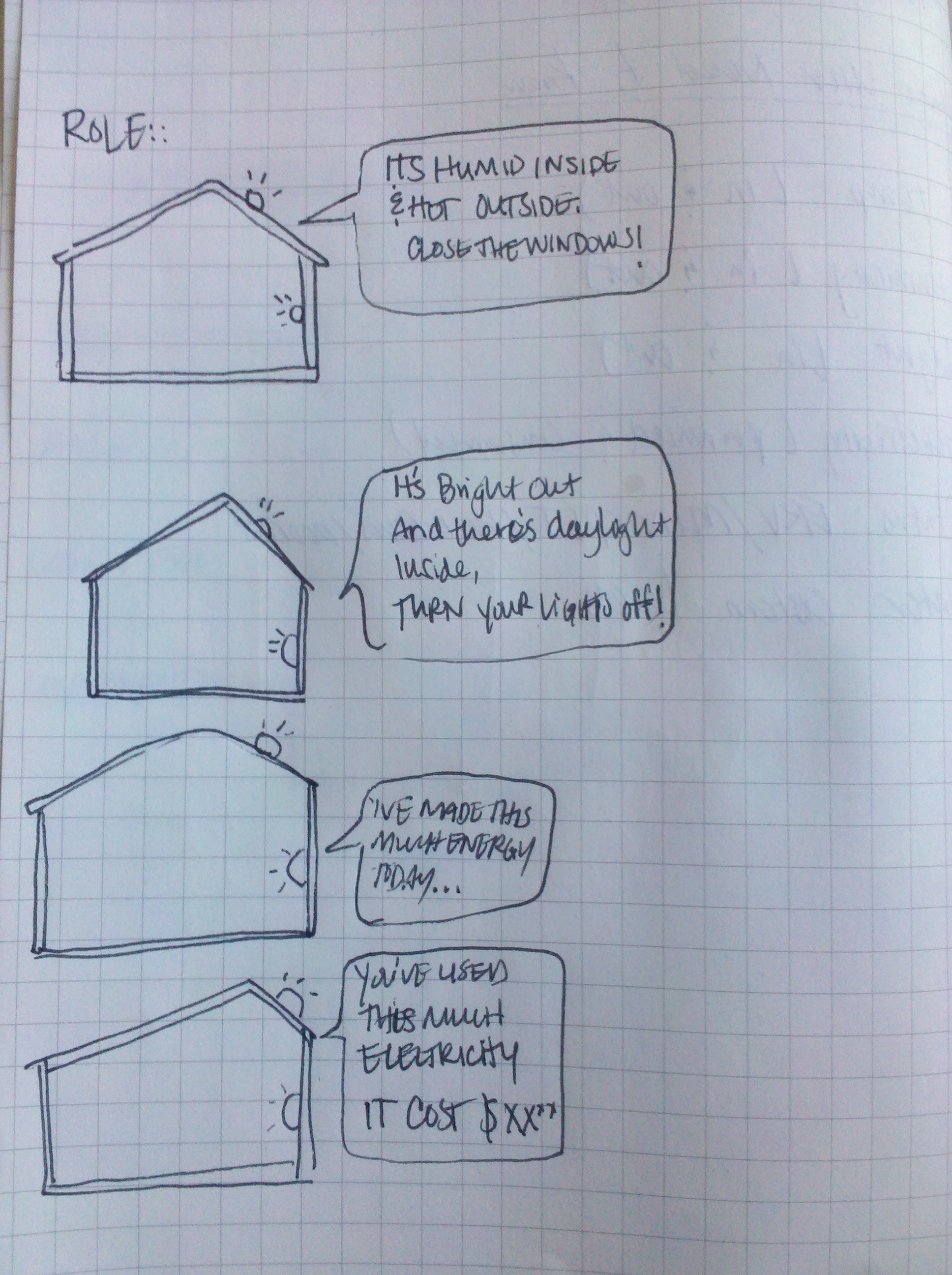
Look & Feel:

Implementation:

Aquaponics:
Role:
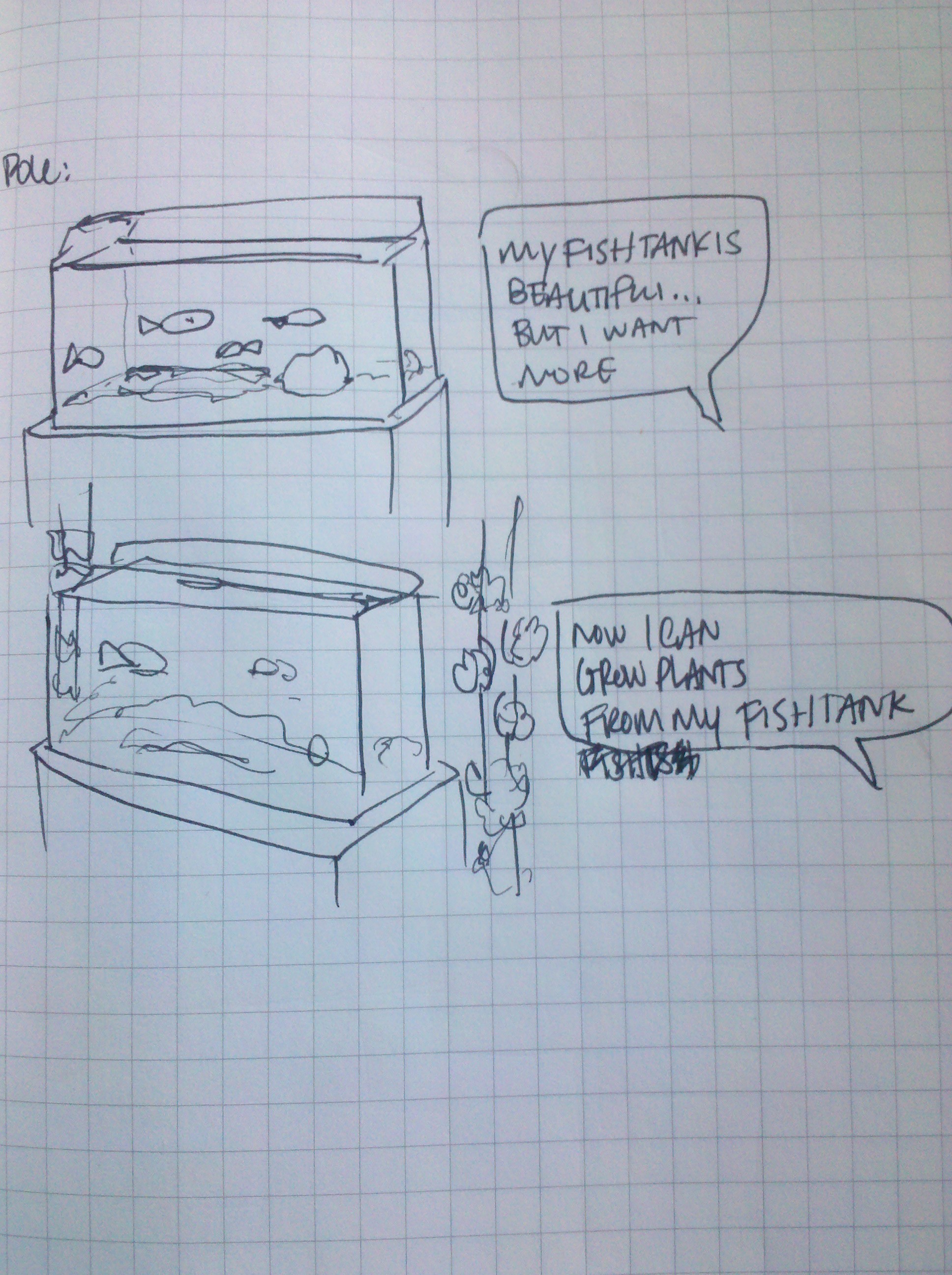
Implementation:

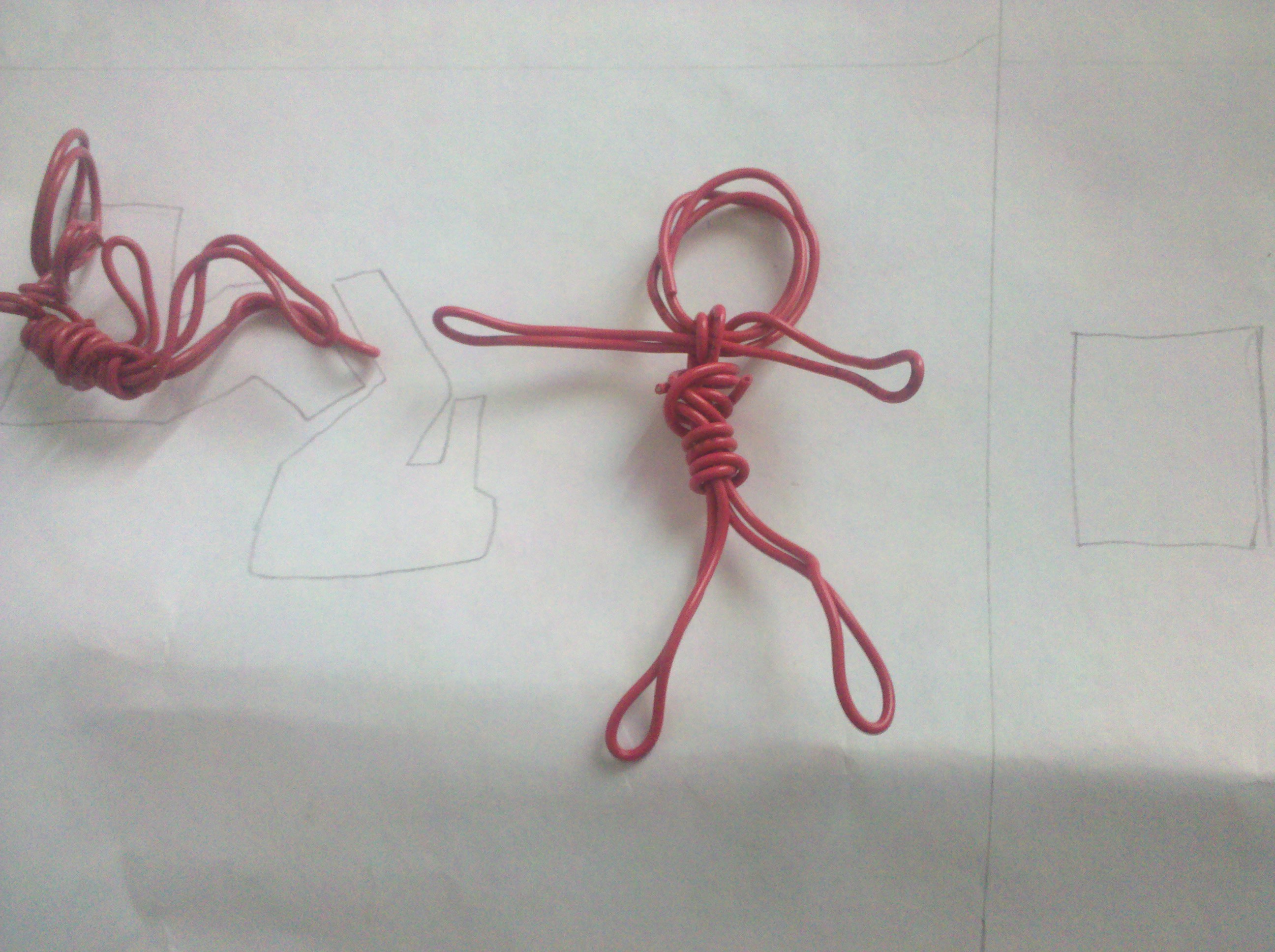
OpenCV Puzzle Game
Look & Feel/Role:
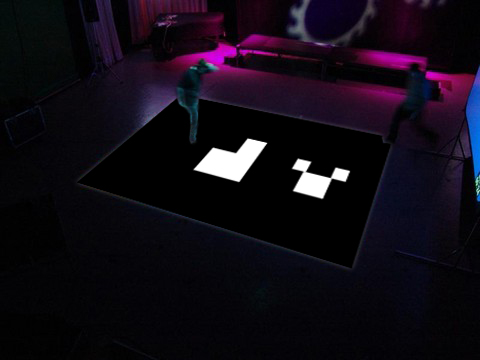
Implementation:


Home Controls
Role:
Look & Feel:
Implementation:
Aquaponics:
Role:
Implementation:
OpenCV Puzzle Game
Look & Feel/Role:
Implementation:

How can we design an interface that is fun and engaging to generate green energy ?
This is a very big puzzle. I would like to explore piezoelectric materials to implement the idea however, there are some technical problems that need to be solved.
I would like the interaction to be playful and engaging. I thought a public installation would be a good opportunity to create this effect.
I am still working on small prototypes and exploring new avenues for the interface.
http://www.youtube.com/watch?v=2lXh2n0aPyw

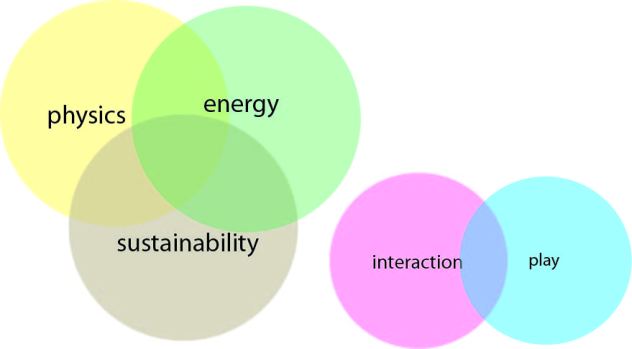


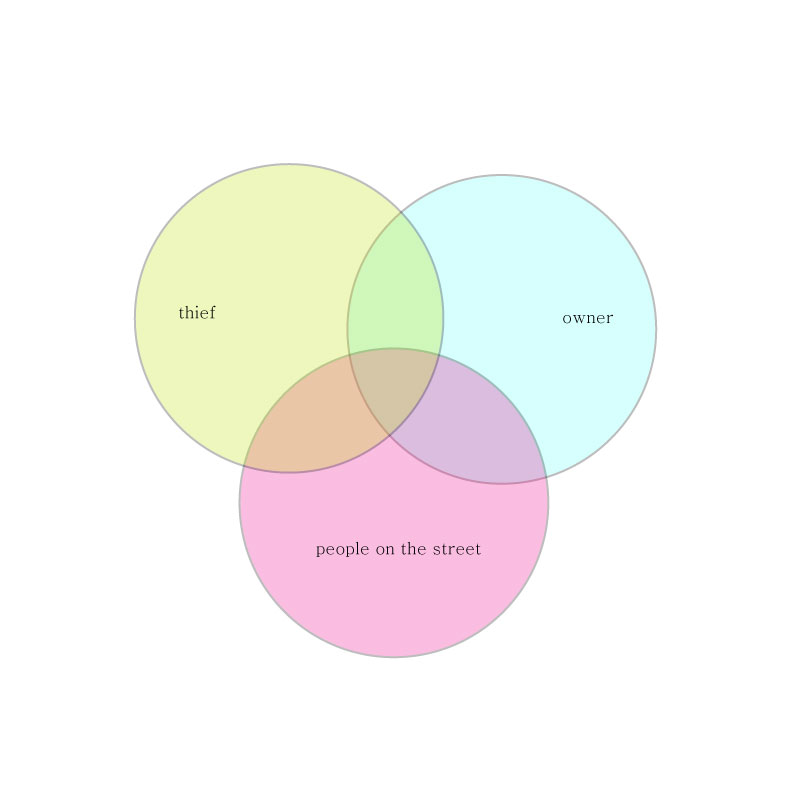
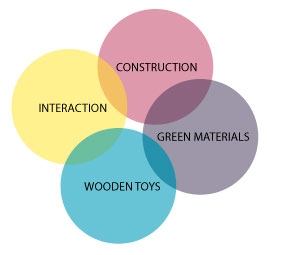
Domain Map of Kami (working title) | 2d > 3d Novelty Greeting Cards
The industry sells over 7 billion greeting cards a year with over 35% coming from pop up/music playing cards alone. Kami, is the next big thing in the greeting card industry. Imagine receiving a wedding invitation or birthday card that you are instructed to bake in the oven to produce a 3 dimensional invitation. To achieve this, I purpose using SMAs (Shape Memory Alloys) with in the cards to create the transformation from a flat card into the 3d shape.

I am still researching prior art and conceptual background. At the same time, I worked on possible actions that will be triggered by the box and the Facebook interface. I am really not sure about the implementation, I want this box to be portable and connected to internet on the go. However, I am not sure how to maintain internet connection all the time.
I am checking out this website for prior art and precedents: http://tangible.media.mit.edu/projects.php


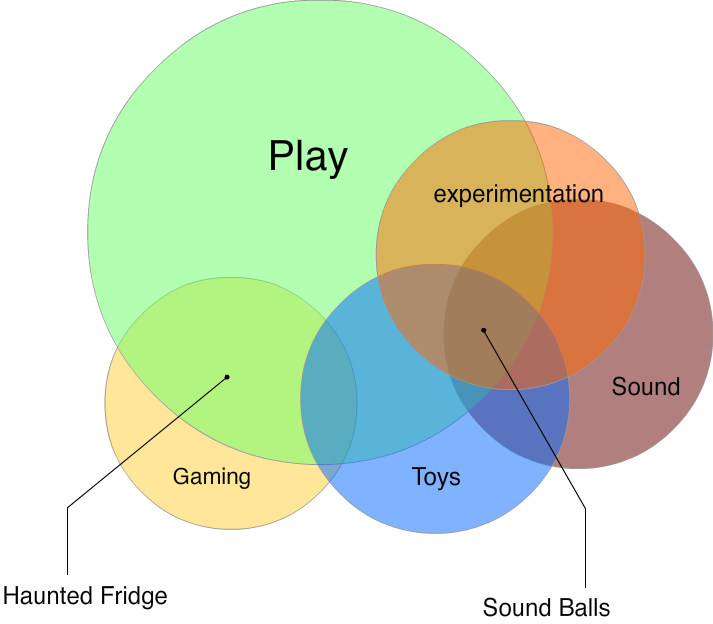
I included Haunted Frdige, because I do like the idea, but I am fairly confident that I will be pursuing the Sound Balls as my final.
I am developing an OpenCV version to test out the interaction while determining the best ways to make the balls “smart.”


So, I’m back to pursuing OmNom, this will be a fun and executable idea within the scope of time left in the semester.
ROLES
OmNom in public
OmNom recycling bins in public will incentivize the recycling by providing an amusing and emotional response every time they’re used. By providing a happy and appreciative response users will be more apt to take the extra step of sorting their trash and using appropriate containers. Each container could have a sensor to let the city know when they’re full so trash collectors could empty full bins more efficiently.
OmNom in the home
If a user has an OmNom in the home they more than likely don’t need the emotive response to encourage behavior, more than likely they’re already avid recyclers. It would still provide amusement, reinforce their already good practice, and if they have children help instill a desire to recycle. The bins would alert users when full and could provide information on its use wirelessly to a configured computer.
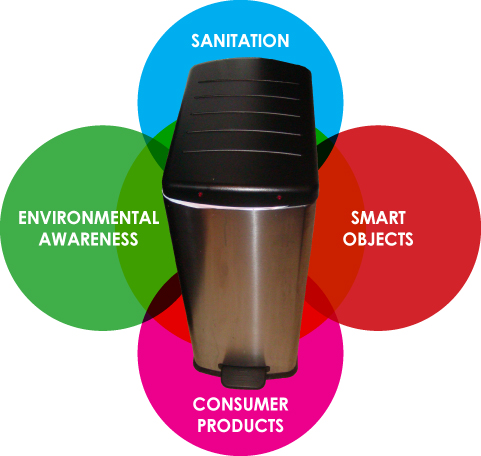
DOMAINS
Sanitation, Environmental Awareness, Consumer Products, Smart Objects
Implementation
Arduino, wifi shield, ultrasonic rangefinder, speaker, LED’s, Photocell, load sensor, LCD screen

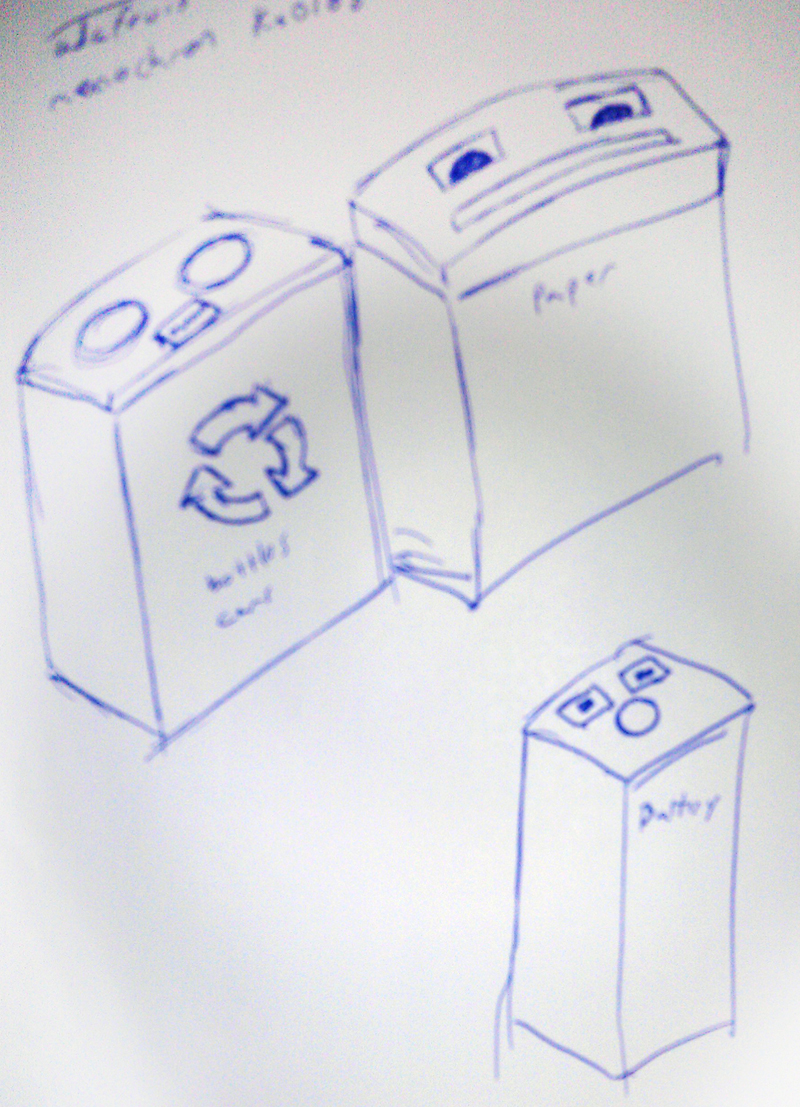

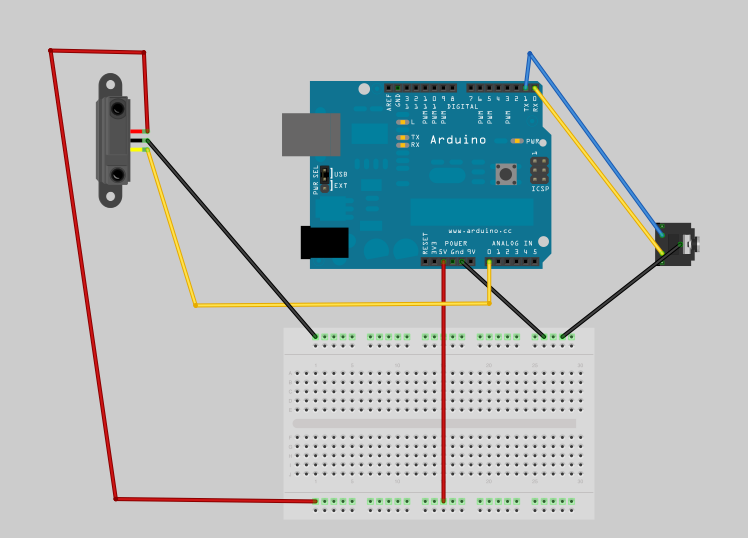
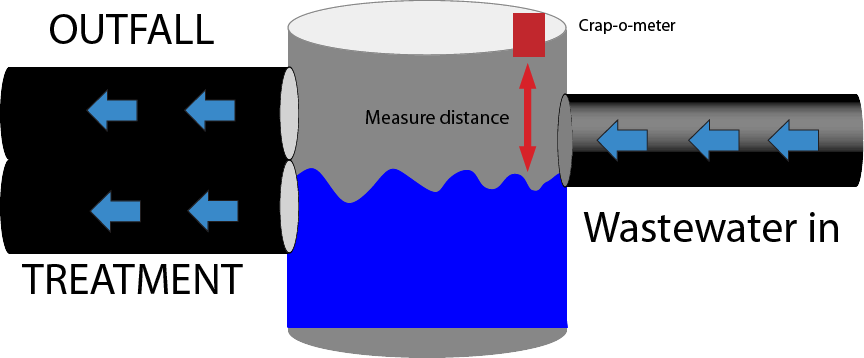
This includes the prototype of the “crap-o-meter”, the device that will actually go into the sewer.
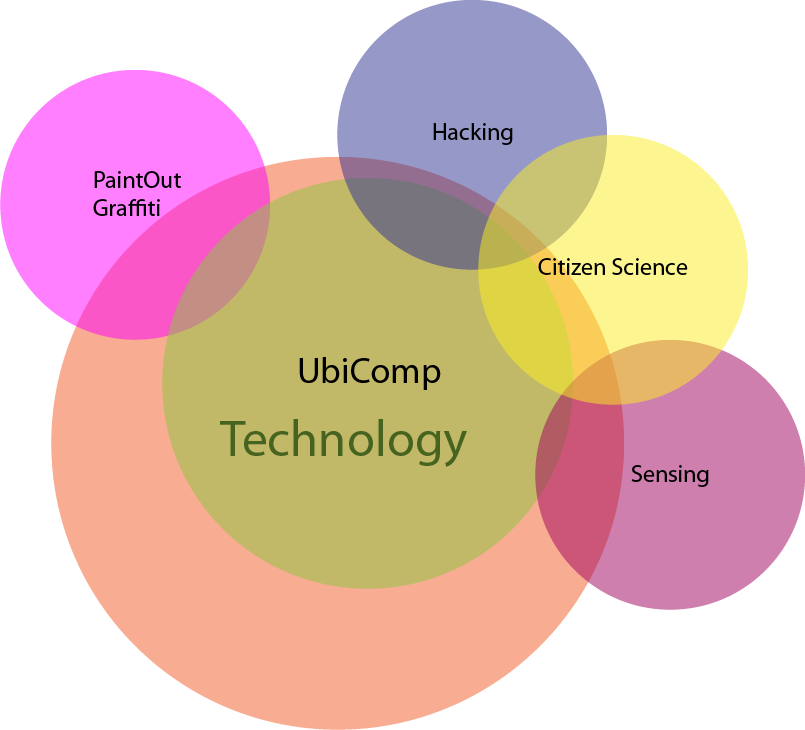

Revised Domain Mapping
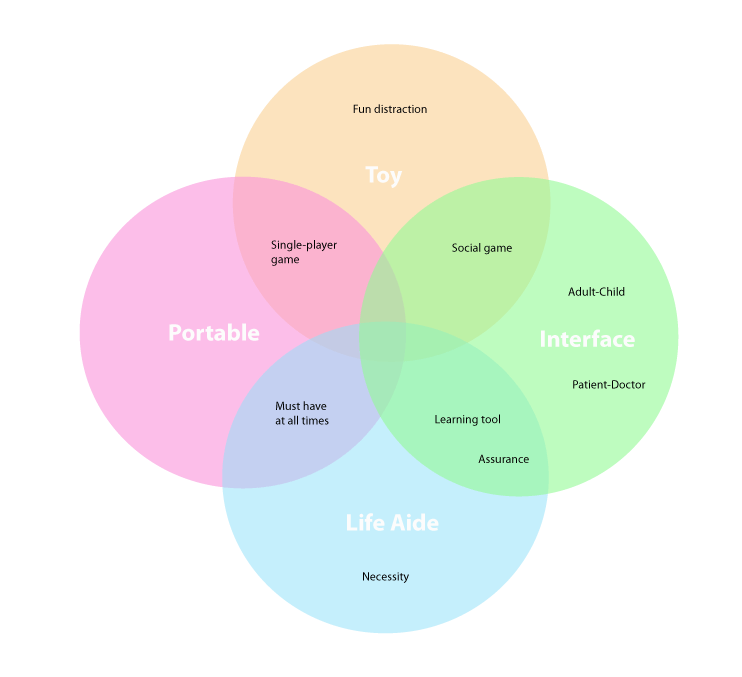
————————————————————
Prior Art for Diabetes
Stuff for kids with T1D for the most part sucks.

Wow. Just wow. This shirt is from cafe press. I wonder how many moms bought this for their kids and made them wear it.
http://www.youtube.com/embed/fKz_c_VbaSo
Something somewhat similar, from the DiabetesMine design competition
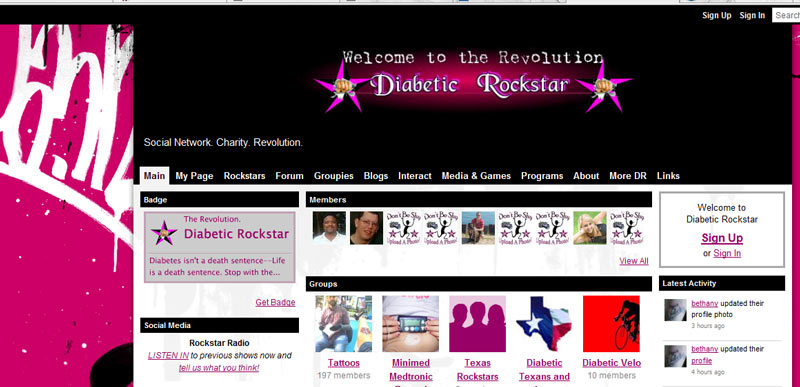
The Diabetics Rockstar webpage. It’s a social network with music playing from the site. A bit over-the-top.

A kit put together by the American Diabetes Association for kids. Kind of parent-oriented.
———————————————————————
Prior Art, technology related

The original Tamagachi

Pokemon, a virtual pet battling game

Neopets, a virtual pet online universe with a social network and even its own stock market.

ROLE, LOOK & FEEL, IMPLEMENTATION PROTOTYPES FOR LET’S ROLL, LUMINESCENT & KNI++.
(More …)

very interesting.
I still am on the fence regarding which project to choose. Here are some role/imp/LAF prototypes to communicate my idea better:
GLUCO GAMING

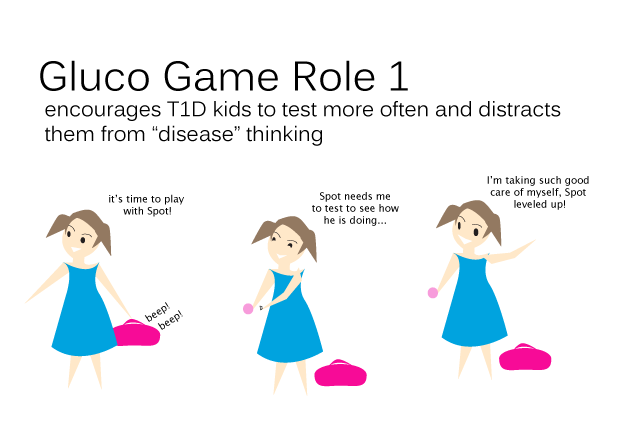

The most difficult part about this prototyping face was generating ideas and iterations. since its a new concept and idea, grounding the possibilities in the amount of tim given was challenging.
The easiest part was the actual execution of the ideas
Easiest things about making prototypes:
1- I had a wealth of ideas of how I imagined these two things being used.
2- I can easily imagine what roles they would play in people’s lives because they make sense to me and reflect needs already in my life
The hardest things about making these prototypes:
1- Delineating between implementation prototyping and L&F prototyping was a bit difficult because in my call detection idea for example, I don’t envision a set look and feel just yet. The device is meant to live in something else, essentially.
2- I still haven’t figured out how to implement the circuit for the RF detector because I have trouble translating schematics to breadboard

It was very hard to come up with implementations of my two ideas. They were feasible but they required a lot of research and knowledge and I did not have enough time to do the right research.
Once I figured out a way to implement the idea, it was relatively easy to put the circuits together.
Knowing were to go was the key for me to create my prototypes.

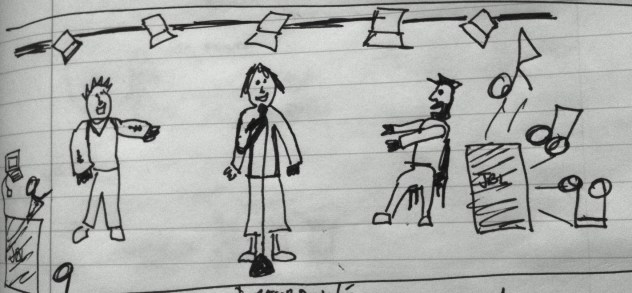
Here are three scenarios I could imagine someone using the ghost instrument.


I have a TON of inspirational images for this project. Here they are:

And here are a couple of circuit drawings:
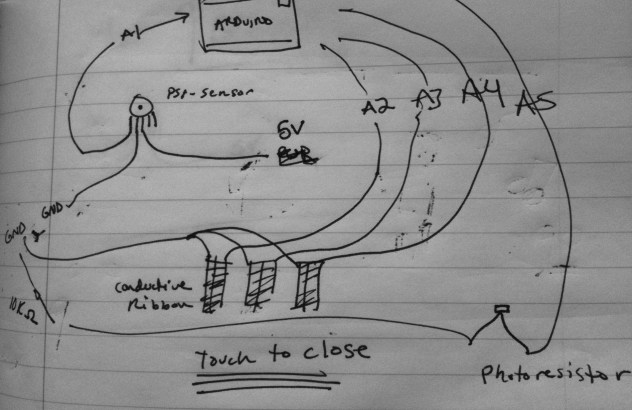

And finally, a video of me using the first breadboard version of the trumpet:
BONUS:I WILL USE THIS to make the zombie laser game as well… Just for fun… And come out and play festival.

For me the easiest part of this was collecting the images for the look prototypes. In fact, it was so easy and my brain started rolling on it so quickly that there was no way for me to limit it to just three and I kind of just posted everything that I have, in mood board form.
It’s funny, because the hardest thing seems a bit contradictory next to this – the hardest thing for me is figuring out what I actually want this thing to look like. I tried some sketches but none of them even come close. Perhaps that’s why I’ve poured myself fully into the tech part of the prototype – actually making a glove that CLEARLY looks like/is a prototype to avoid having to decide which of these fantastical sci fi looks to go with for the final project.
Picking each of the components has been a struggle on it’s own – i tried piezo speakers and mics but eventually stumbled on this pressure sensor. I tried buttons first, then conductive thread, then conductive ribbon, before coming back to ribbon.
I am planning on adding a photoresistor to allow people to cup the trumpet, but I may just use a range finder so that the same glove can be a trumpet or trombone (or tuba, with a fourth button). Making the temp glove was easy since I just basically used a wrist brace.
I choose the Habit Box idea, still trying to decide whether it should be expanded to habits or limited to smoking. I created a role paper prototype to conceptualize the idea better, focusing on the smoking idea. Then, I spent some time on researching about the real action, to quit smoking, tried to understand the drives behind it and the role of society to empower it. I realized that, all of the information on the web about quitting focuses on deciding on a day to quit smoking, like stopping it in an exact date. It is not a gradual process. You have to decide and implement at that moment, without looking back. Right now, my project is about trying to motivate people to smoke less, not to help them to quit immediately. At that point, i decided to change my direction, instead of putting the cigarettes, I thought it’s be better to put nicotine bands, gums, playful stuff to distract the person whenever the urge to smoke hits. However, I am still not sure of what to do, I might use the feedback from class today.

The thing i find the easiest in prototyping process:
Prototyping is never easy to me. I think a lot before getting started on something, it just does not come out by itself. Especially, when I’m not fully confident about my project idea, i spent most of the time conceptualizing it.
The thing i find the hardest in prototyping process:
Look&feel prototypes are killing me as I don’t have the needed crafting skills. For this project, I actually didn’t build a look and feel prototype as I dived into the research and conceptualizing the idea. However, I made a 3D model of it in the computer.
 Chris Piuggi is discussing.






 hilalkoyuncu is discussing.
  scottpeterman is discussing.
  Oylum is discussing.
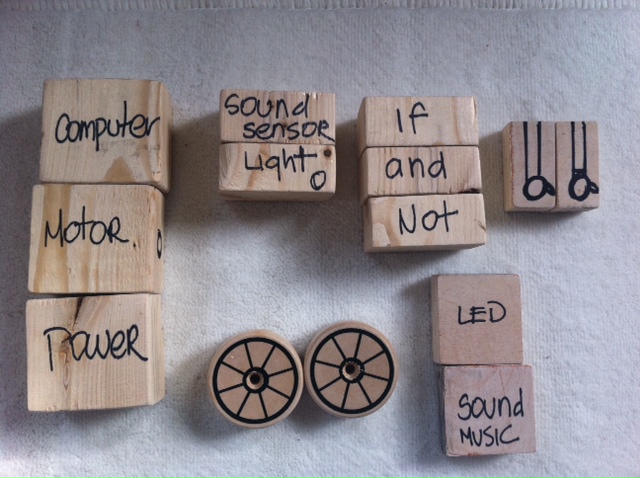
  Making Toys


Chris Piuggi 9:51 pm on March 31, 2011 Permalink |
Question: What was the easiest thing about these prototypes? What was the most difficult thing about these prototypes?
The most difficult aspect of these prototypes was figuring out which aspect of the projects I wanted to focus on in this short time frame. I was fully aware that I was unable to create rich or in depth prototypes for this assignment so it was difficult to analyze and execute rough beginning concepts for these concepts. Because I am unsure about the direction I will approach I looked at three different projects in order to access what would be the most viable route for me to peruse and execute; helping me to understand a better direction of which project I hope to ultimately create.
The easiest aspect of this project was actually executing the prototypes once I knew what I wanted to create it was easy to get my thoughts out on paper and execute it.