 Evander Batson
 xinhe feng
 FluffyLeecy
 frankiezek
 gaboratparsons
 giang063
 gracegotlost
 lauriewaxman
 Siwen Li
 Xiaofeng Lin
 Yury Gitman
 mar28th
 Max(TONG WEN)
 Soohyun
 sabotai
 Susan Lin
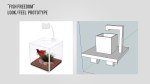
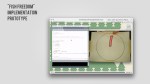
Fish Freedom – Prototype Video
Just posted a couple videos on the car I got per Yury’s suggestion.
Those who have noticed my penchant for adding inappropriately epic music to silly videos won’t be disappointed:

Just posted a couple videos on the car I got per Yury’s suggestion.
Those who have noticed my penchant for adding inappropriately epic music to silly videos won’t be disappointed:

http://www.instructables.com/id/Use-your-android-phone-sensors-on-the-arduino-/
http://www.instructables.com/id/Use-your-android-phone-sensors-on-the-arduino-/


Buzz sound prototype (A) – 1

Buzz sound prototype (B) – 2
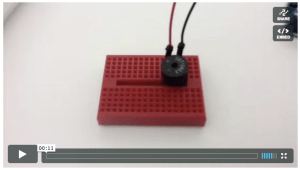
Vibe sensor prototype – 3

Hive paper prototype (A) – 4

Hive paper prototype (B) – 5

Bee paper prototype – 6

Bee fabric prototype puppet – 7
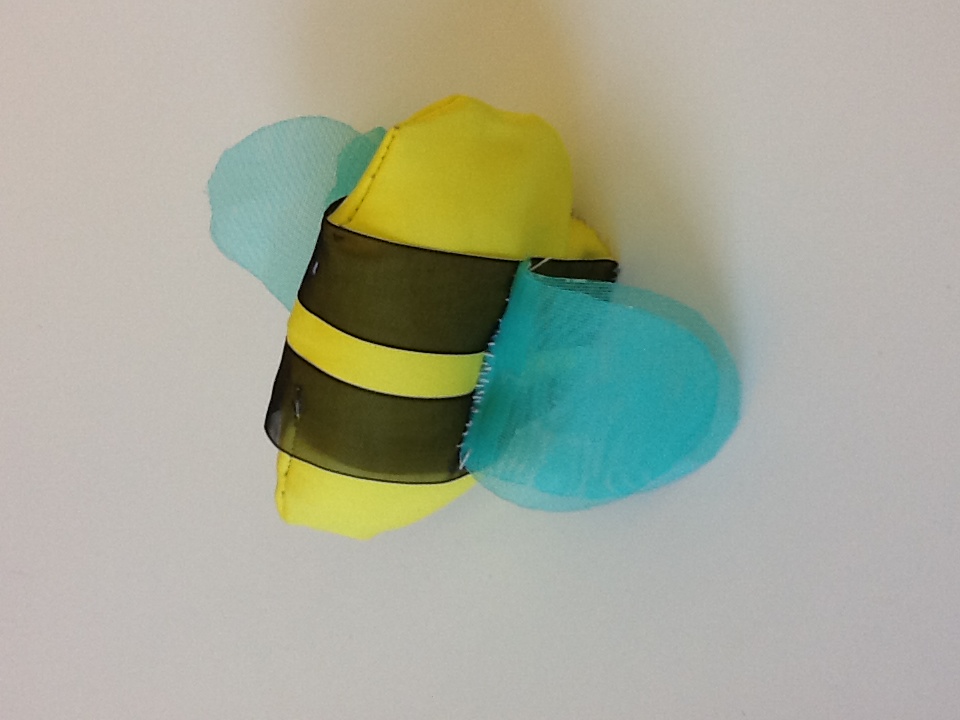
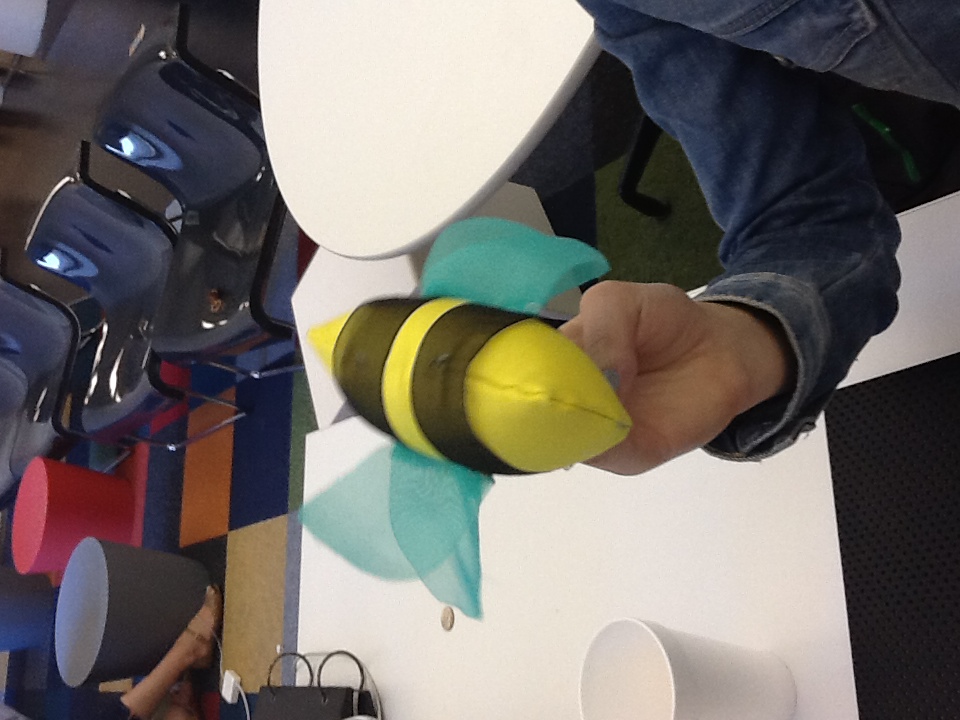
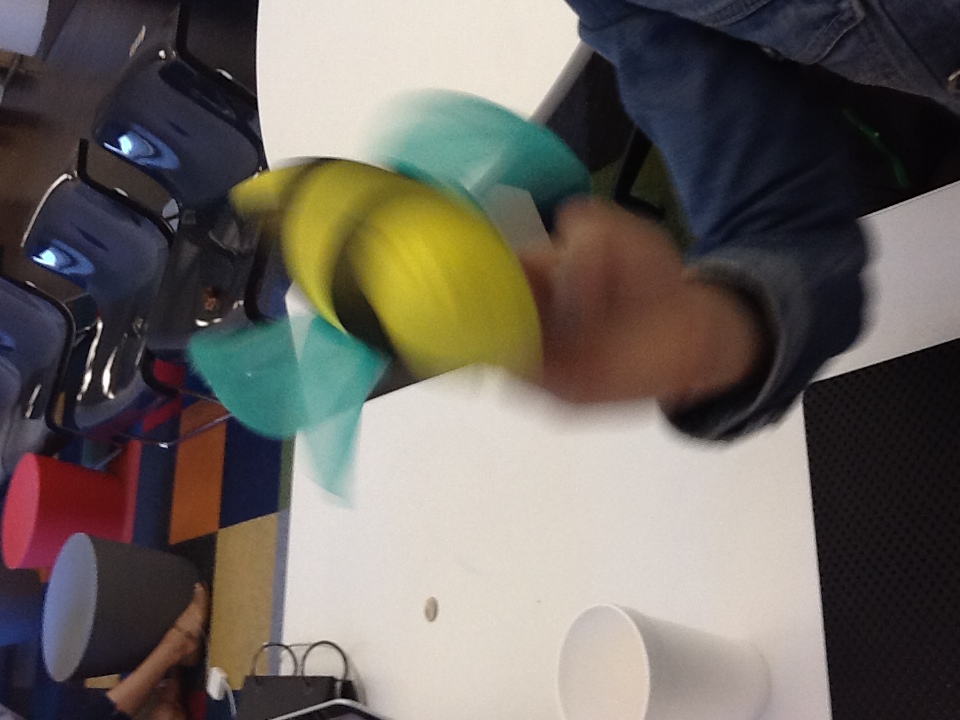
Thanks to Nate!
This is the coolest thing ever.

holy yury! thats so cool .


Im exploring the interaction between shop/vendor/marketing and street. Utlizing openFrameworks and projection design, I’m researching a brand/idea for the vehicle/company to represent. The projection design will be a backdrop/scenery innate to the window.
I’ve taken inspiration from William Castle’s “Percepto” and Diesel’s “Destroy” campaign. I want to avoid any user-direct shopping similar to an app. There won’t be choices as to “catalog” or website shopping. I want this project to stray away from an app experience: the pedestrian’s experience is more organic/ethereal/subliminal as to the “message” of the window.
This is expressed well with the Diesel window.
I’m thinking of The New York Times taking inspiration from text and the lines of the facade from the newspaper’s new buildling on 42nd St. here in NYC. Perhaps the user will “push” the text…move it….transform it into something new that reflects the history of the city, the paper, and life itself as it is represented in headlines.
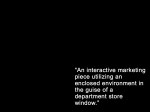

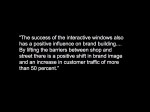



http://www.sparkfun.chttp://www.sparkfun.com/products/10513
I thought of your presentation when I noticed this today. They are new, thought you might think it is interesting….
They are electrodes that a user can wear for low-level “electric sensation”.
http://www.solarbotics.com/product/60312/
Check this out. It’s is similar to what you drew. Look around on Solarbotics website. Cool stuff there.
For example, Roomba’s can be controlled by this item they sell. This could make the ultimate “chariot” for say a “Koi fish to move along a hardwood floor”.
Also see:
Google “arduino robot cart”
Also check out:

1) Pollution detection in Cairo, Egypt & New York City.
Comparing the two dirtiest cities I have experienced.
Who in DT has a pollution detector? I heard about it somewhere but can’t remember who.
I found these different kind of gas detectors that could help me create a data visualization of the pollution. http://www.futurlec.com/Gas_Sensors.shtml


I’m thinking perhaps a dual lamp installation that illuminates on which city has a higher pollution reading at the time.

Or a doll that makes a coughing noise everytime the pollution readings increase by a certain margin in either city.
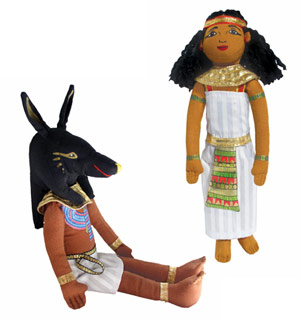

2) Here is a prototype for a trash can that would tell you the level of trash that is currently in the can equates to what year in history’s average.
So say your trash was 40% full. The can would tell you “Reached the average of the 1970’s”. This will help people realize just how much we throw out daily. Perhaps it would inspire users to recycle or reuse their trash.

3) Here is an idea I worked on a little last semester that I really would like to manifest. Below are some pictures of an interactive installation I imagine outside of MSG in NYC. It is an exploration of human interaction with their clothing & sporting attire/environment.

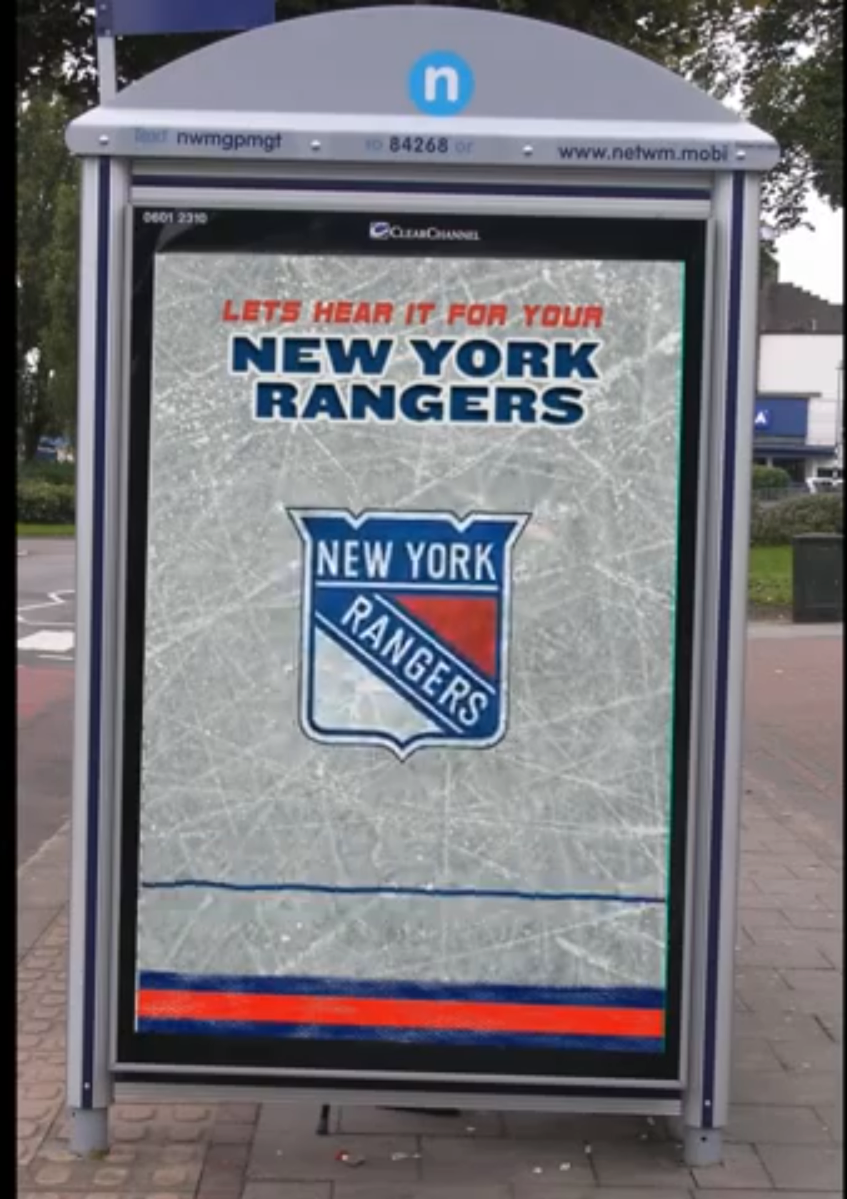
This is an OpenFrameworks installation that I have working, but I would want to add new elements to the interaction to make it more like a game.
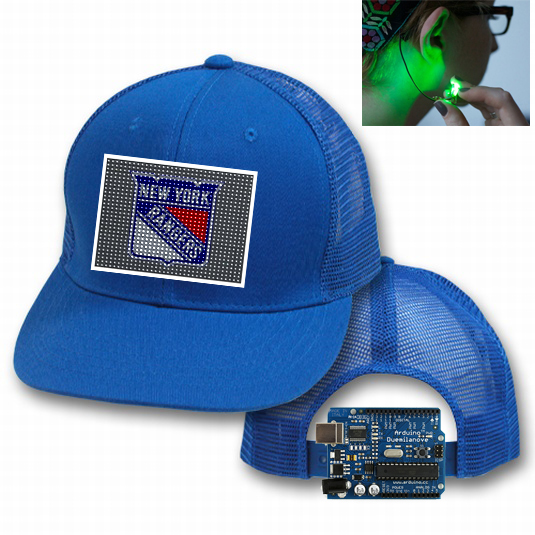
From this idea came an idea to make an interactive hat or t-shirt with the Pulse-Sensor.


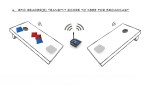
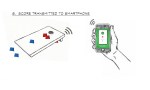
These are my initial prototype sketches for a digital scoring and wagering system that can be used with the popular bag toss yard game “cornhole”. I need to do more research re: RFID signal strength and range limitations. I might need to find an alternative.




Role:
1. The role is pretty straight forward. This would be used in conjunction with freestyle boarding.
2. It could also be used as a safety feature for boarding at night.
Look and Feel:
Motion LED Skate Board-
1. There are many places to hide small electronics within the skate board trucks and under the grip tape of the board. I may have to create indentations in the board itself to protect them. I’ve also thought about install LED’s in the Skate board wheels them selves. The LED’s will be triggered to light up when the board flips or is tilted.


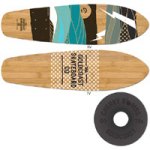




2. A long board, which is used for rolling along may not obtain the same effect with the use of the accelerometer and led’s. The user only leans from side to side with this model.

3. Snowboards. Probably will only be visible when sky diving.

4. Surfing. If the pieces could be repositioned and waterproofed, I believe the accelerometer and LED’s could be used for stylistic and learning purposes. And possible interesting effects at dusk or night.
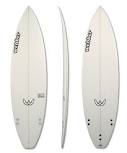

5. The electronics would almost be hidden. Installation would need to occur during the building of the skate board. Snowboards and Surfboards would need a different installation process.


Obviously this took forever to develop, but I thought it might be some good inspiration for your project:
http://cogoo.jp/turntablerider/

In the South Pole, father penguins are the ones who take care of their unhatched eggs instead of the female penguins (female penguins travels away to hunt for their family during this time). Sometimes there are accidents of father penguins drop or lose their eggs. Because of the low temperature of the South Pole, if the father doesn’t rearrange the egg in his stomach the egg will freeze.
In this case, the father penguin is blind so he needs help to find his lost egg.
The egg is naive and curious.Because it is almost hatch season, the egg wants to move around. He doesn’t realize he is risking his life and doesn’t know that his father is looking for him.
We, the audience, are the helpers. However we cannot interfere with nature, so instead of taking physical actions, we can use our voice to communicate with penguin through the device.
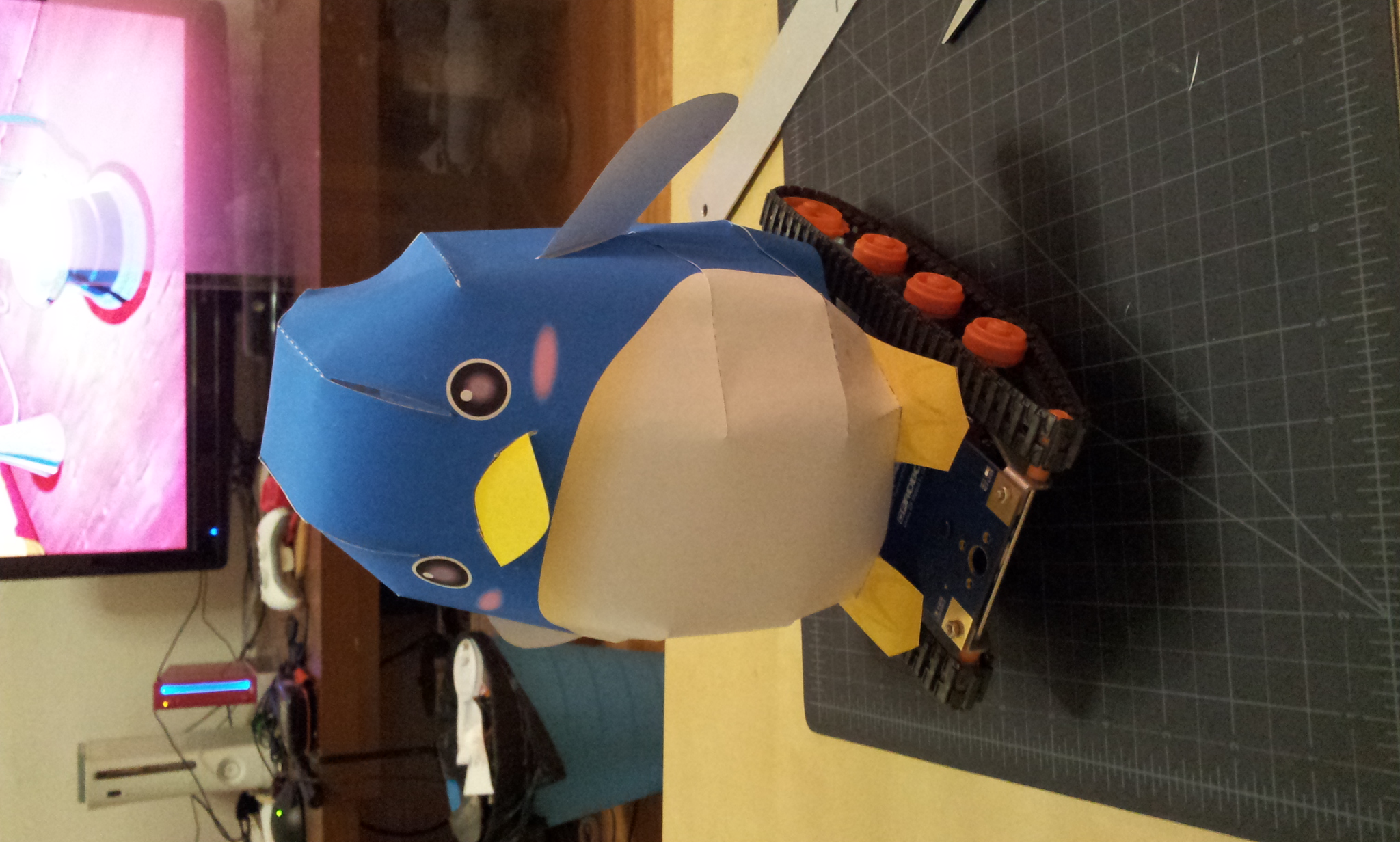
another penguin papercraft penguin_e_a4

1) The papercaft penguin I use is cute. STT works!
2) For the penguin casing, I found some papercraft pdfs, but most are needed password to open in photoshop or illustrator. And cutting paper takes time.
And the STT needs perfect pronunciation.
3) I already played with serial communication, I could use the previous code as base.

Did any surprises come from this round of prototyping?
The hardest thing.
-Thinking of an usual yet provoking enclosure for the devices. Since i am moving slightly away from functionality and towards conceptual art, I am thinking of odd designs for objects that can disrupt one’s life that one can still carry with herself or utilize in some way in her/his surroundings.
The easiest thing.
-Brainstorming scenarios of the objects disrupting and communicating to its user. For example, if the device in user’s pocket receives a message, let’s say it will start screaming. The user can be on a crowded train or elevator. This disruptive object then blurs the boundaries of private and public. Becomes a public disruption.
Trick Tracker for BMX:
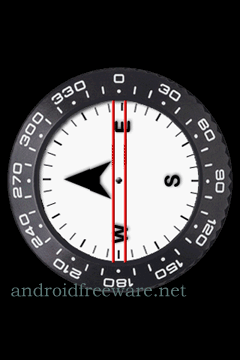
Phone Compass app:
Using a compass and maybe GPS, I will be able to map out rotation.
I have the range finder working. This will give me distance from the ground

So far as I have been able to establish, my android phone doesn’t track height from the ground. The closest application involves using gps and the built in camera to triangulate the height of a distant object.

—-Did any surprises arise from this round of prototyping?
I am astonished of the lack of precedence that I have uncovered involving this project. Rotation and height mapping are either extremely difficult to map on an individual level or not many people have had the need to do so.
—-What was the hardest thing about making these prototypes?
Again, the research. I have explored numerous techniques to achieve this goal, including collaborating with a mathematician.
Over all, I need to research compass sensors and test one.
I am still exploring smart phone applications involving this project.
—-What was the easiest thing about this round of prototypes for you?
Find the motivation to work on this is easy to come by. I’m interested in creating this project and using it. I see an immediate return in creating this and that pushes me to work at it.

iPhone accelerometer based project:
http://www.freefallhighscore.com/
in Wired Magazine:
http://www.wired.com/magazine/2012/03/pl_bannedgames/

I’m a little behind this week, so for starters I did some detailed diagrams of what I’ll be doing. Actual physical prototypes to come!
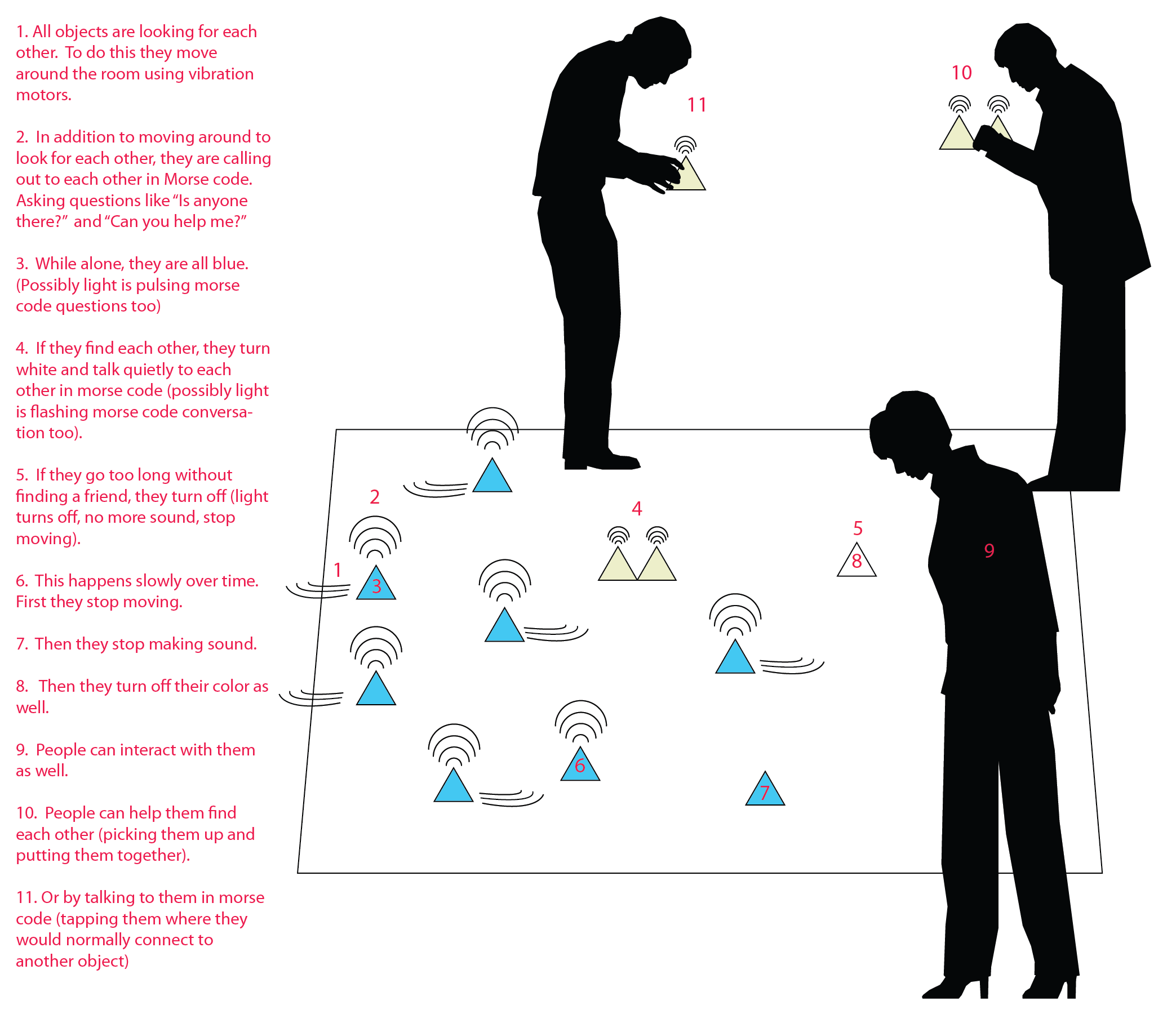

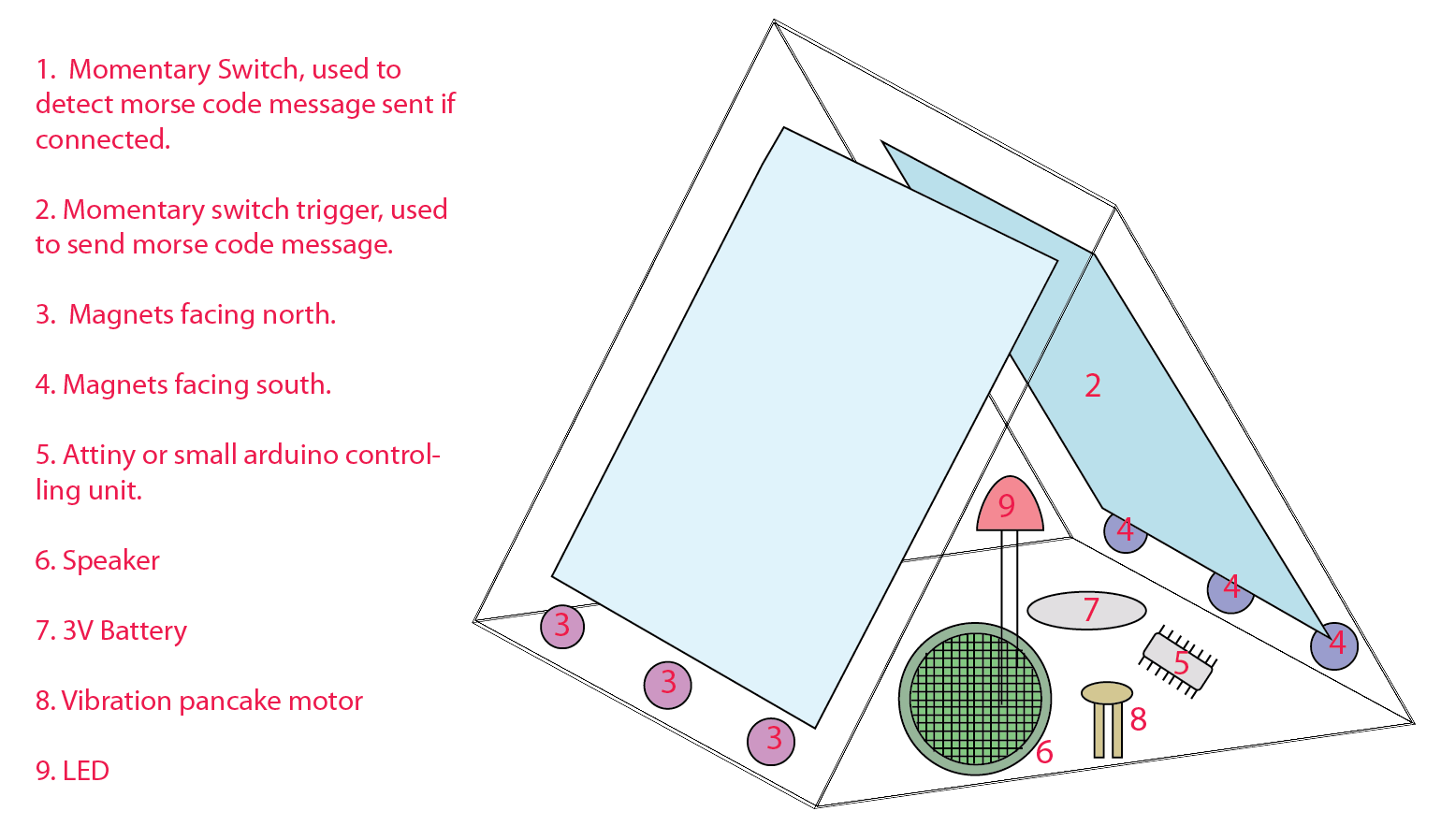


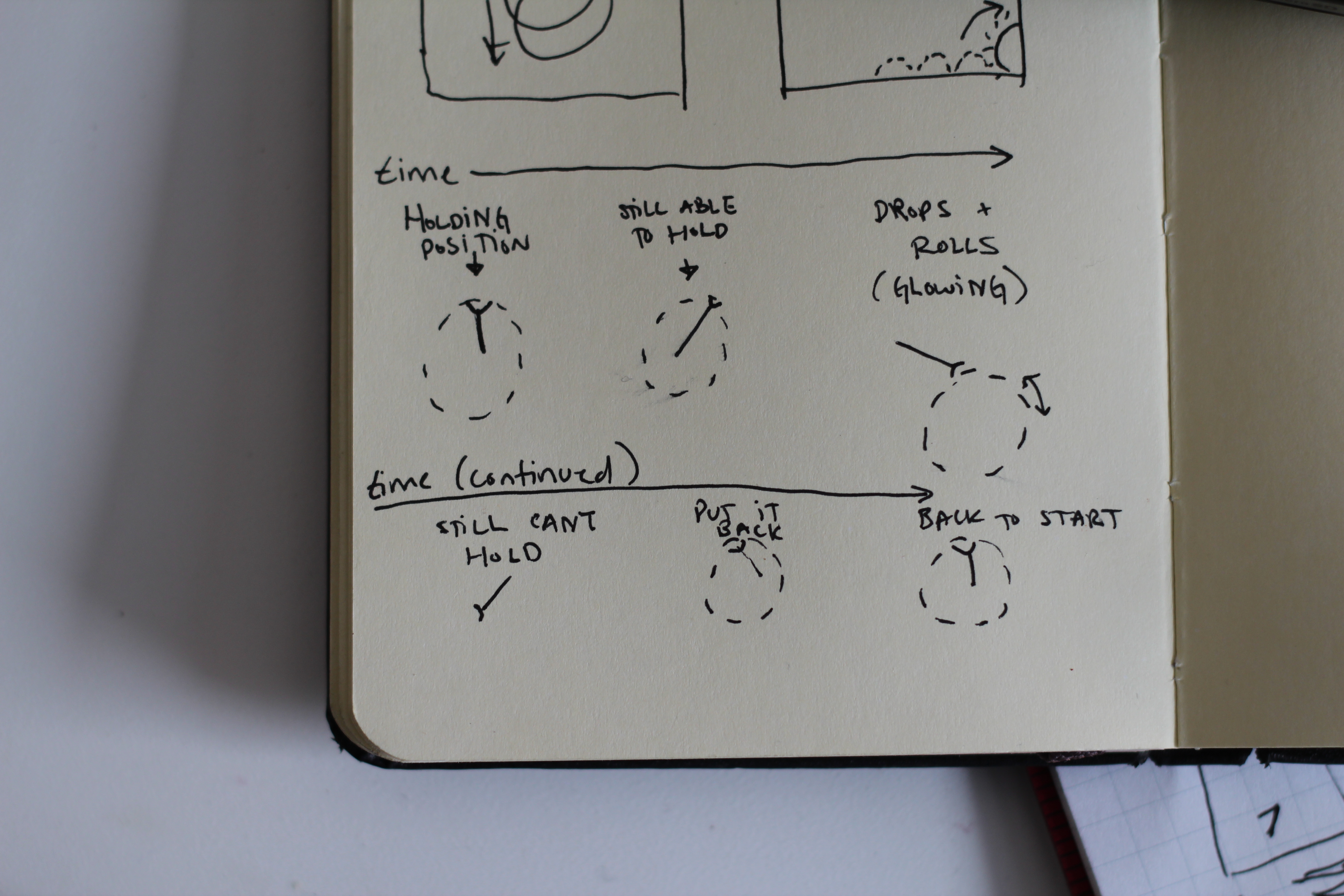
Role: “Clock” device keeps track of position, acts as holder for LED hula hoop. When a certain amount of time has ticked away, the clock hand position no longer allows the hula hoop to be held up, and it falls glowing to the ground.

CLOCK HAND PROTOTYPE: Servomotor outputting information about angle of rotation to LED strip receiver in hula hoop

HULA HOOP PROTOTYPE

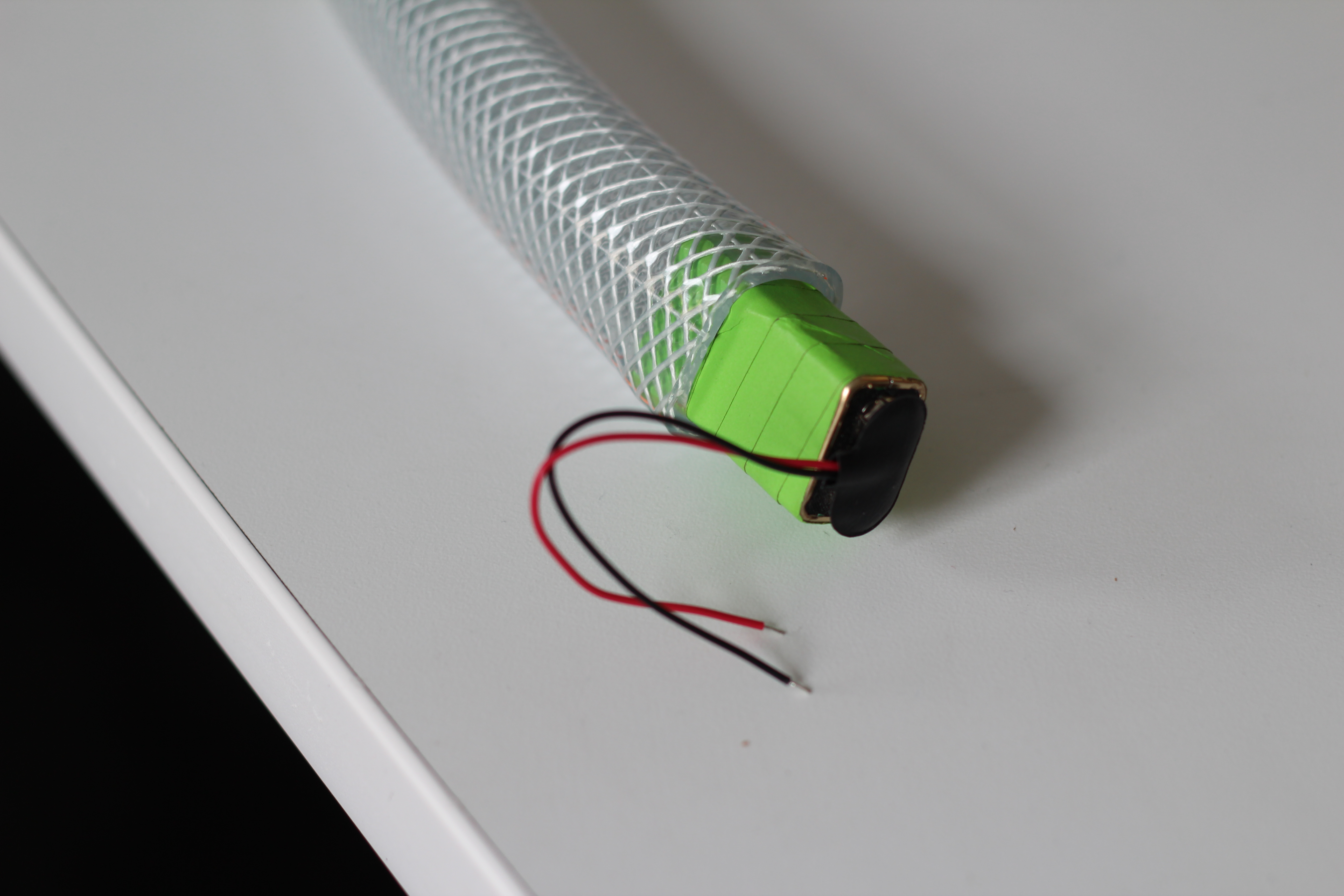
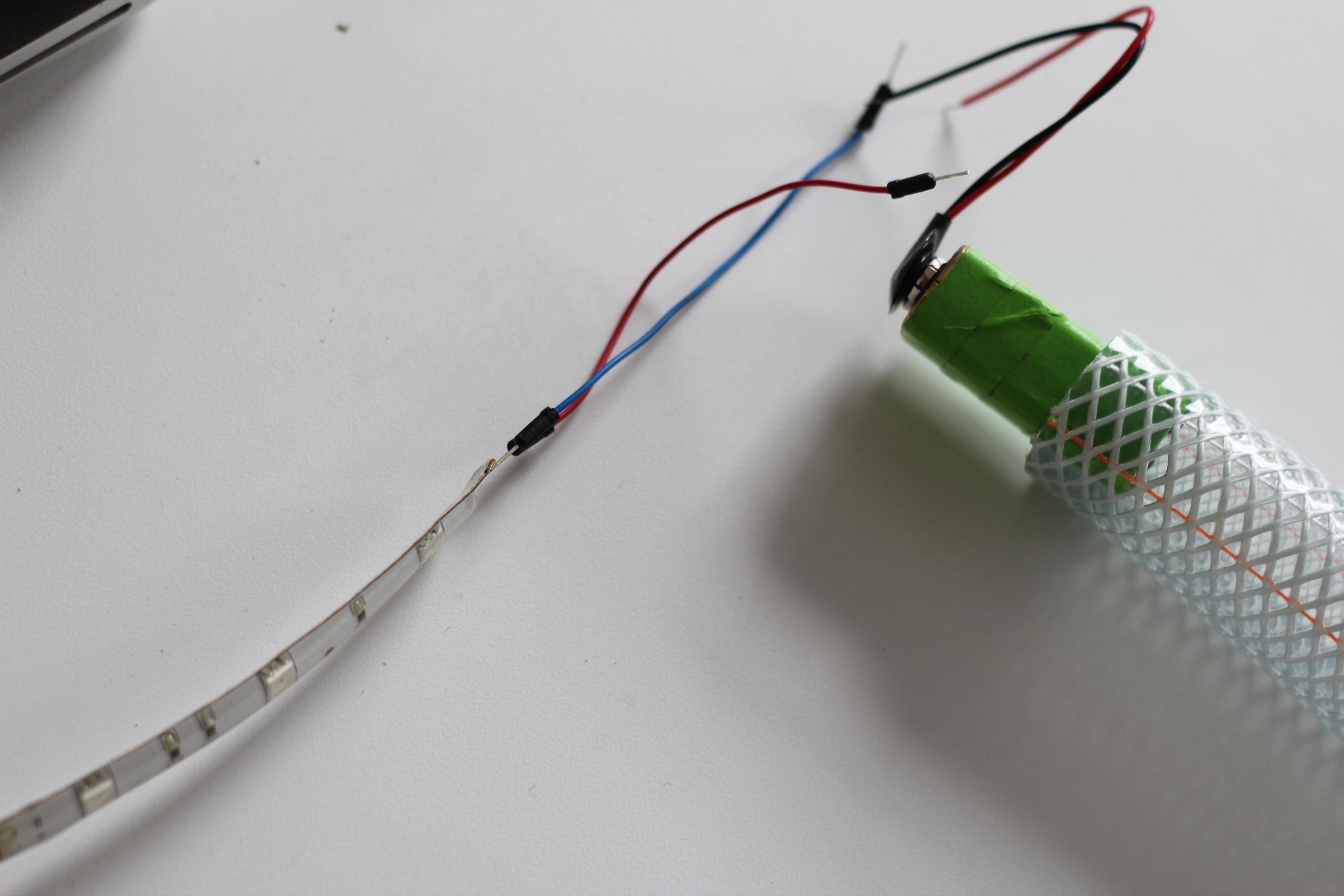
LED STRIP TESTING

Did any surprises come from this round of prototyping?
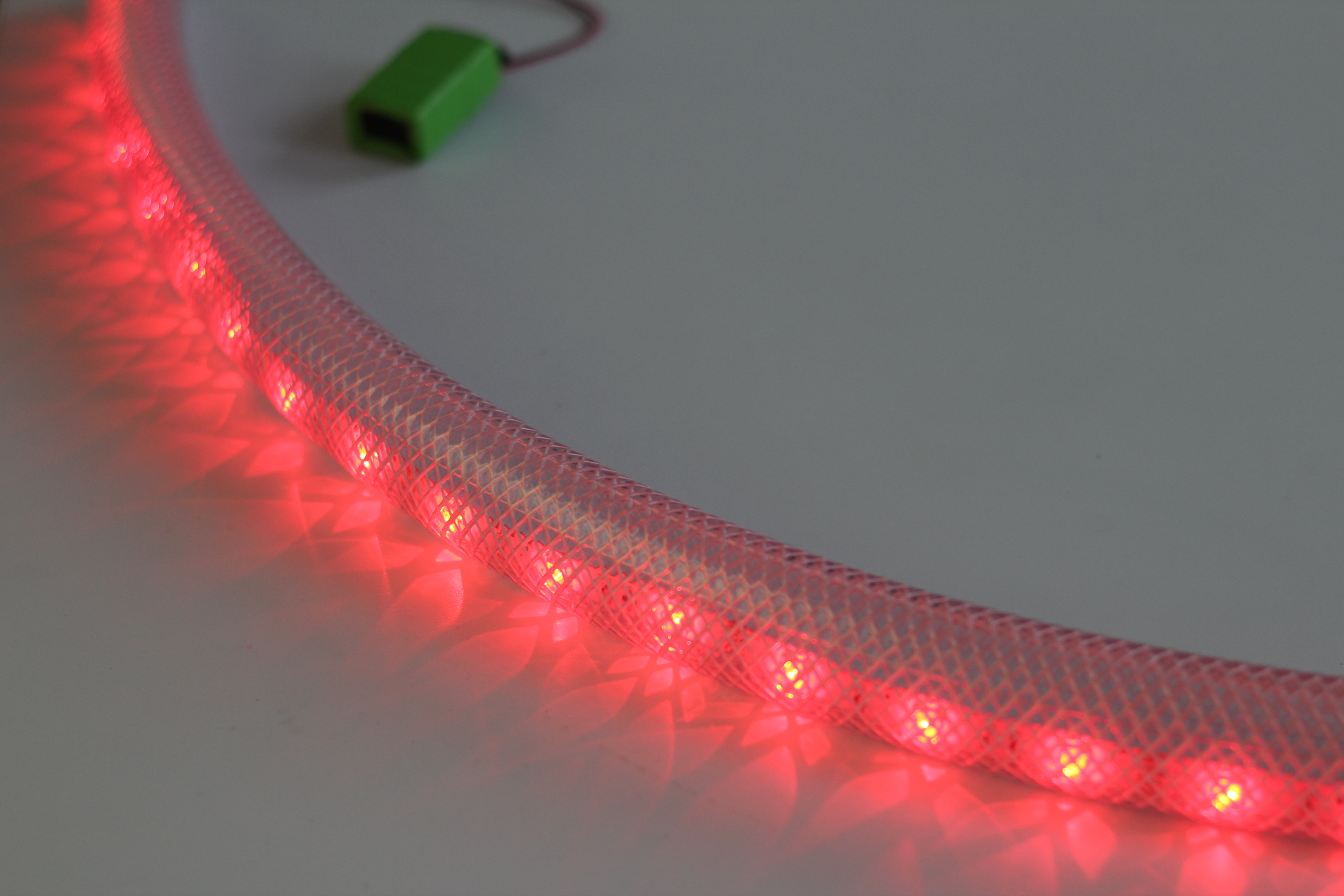
One main (pleasant) surprise was learning that the material of the rubber hoop itself has a significant impact on the way light is dispersed out of the hoop. We found a clear rubber with a braided pattern, which diffracts the light into an interesting crystallized pattern.
One less pleasant surprise was the discovery that because the RGB LED strips require 12V to run, we will have to power it with a different source besides the Arduino which acts as the controller. This will prove to be challenging because we are working with a very small space inside the hula hoop tube.
What was the hardest thing to make from this round of prototypes?
The hardest thing was getting the look and feel of the tube itself right. Because we’re using different materials than the standard hula hoop tube in order to allow the light to shine through, it’s a challenge coming up with a combination of materials which still give the rigidity and ease of use of a traditional hoop. We’re going to test with having a harder clear plastic tube inside the larger braided tube, forming a channel in-between for the LED strip.
What was the easiest thing from this round of prototypes for you?
The easiest thing was getting the clock mechanism or servomotor running, because servomotors by default are aware of the angle that they’re positioned at. This makes it fairly simple to get the information about clock hand angle and pass it to the lighting.

One of the big surprises that we had from this round of prototypes emerged from our materials. Word to the wise, always check the datasheet! We realized that the RGB LED strip requires 12 volts and therefore a separate power source from the Arduino. (We did get it to run off of a 9V, so this could be another solution for now.)
The other big surprise came from the tubing we are using. Generally, DIY hula hoops use 1″ irrigation poly tubing, which is usually black and opaque. Since the goal is to find tubing that diffuses the light, we went with another type of tubing (reinforced vinyl tubing 1″ at 125 PSI) that has cross-hatched reinforcements on the inside and diffuses the light beautifully. However, upon testing, we found that it is not rigid enough. Next step is to reinforce with clear plastic tubing.
 Adam is discussing.


 naterudolph is discussing.


 liza, and
  Making Toys


Reply