 Evander Batson
 xinhe feng
 FluffyLeecy
 frankiezek
 gaboratparsons
 giang063
 gracegotlost
 lauriewaxman
 Siwen Li
 Xiaofeng Lin
 Yury Gitman
 mar28th
 Max(TONG WEN)
 Soohyun
 sabotai
 Susan Lin
Updates from April, 2012 Toggle Comment Threads | Keyboard Shortcuts
-
naterudolph
-
adamsabh
Prototypes Galore
1) Pollution detection in Cairo, Egypt & New York City.
Comparing the two dirtiest cities I have experienced.
Who in DT has a pollution detector? I heard about it somewhere but can’t remember who.
I found these different kind of gas detectors that could help me create a data visualization of the pollution. http://www.futurlec.com/Gas_Sensors.shtml


I’m thinking perhaps a dual lamp installation that illuminates on which city has a higher pollution reading at the time.

Or a doll that makes a coughing noise everytime the pollution readings increase by a certain margin in either city.
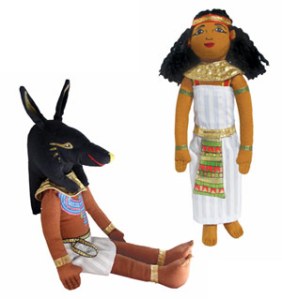
2) Here is a prototype for a trash can that would tell you the level of trash that is currently in the can equates to what year in history’s average.
So say your trash was 40% full. The can would tell you “Reached the average of the 1970’s”. This will help people realize just how much we throw out daily. Perhaps it would inspire users to recycle or reuse their trash.

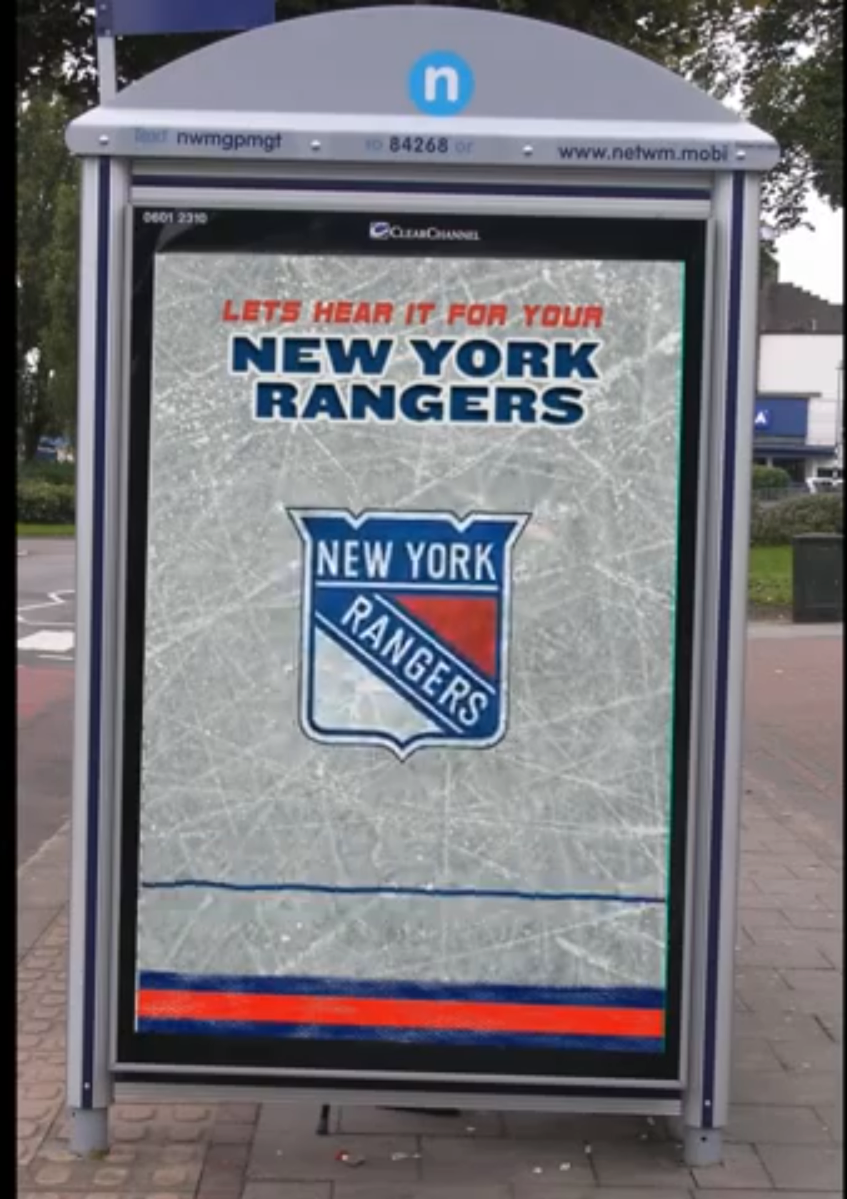
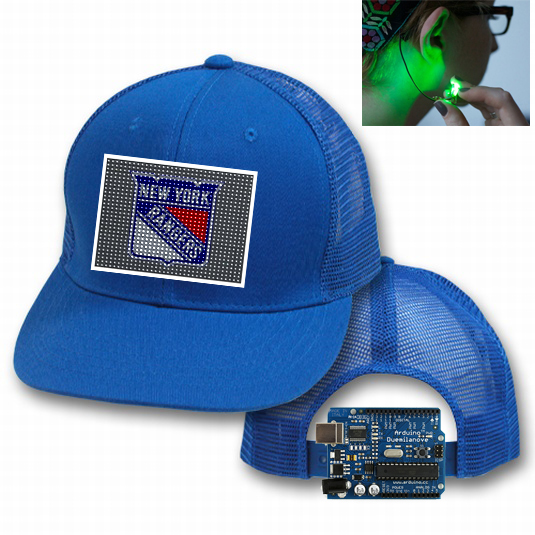
3) Here is an idea I worked on a little last semester that I really would like to manifest. Below are some pictures of an interactive installation I imagine outside of MSG in NYC. It is an exploration of human interaction with their clothing & sporting attire/environment.
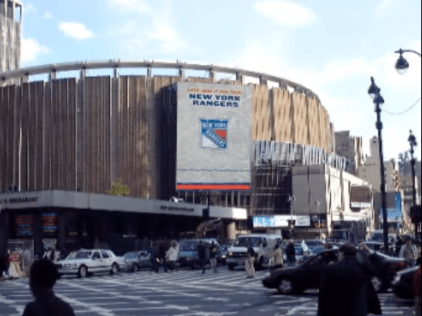
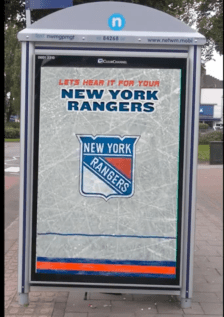
This is an OpenFrameworks installation that I have working, but I would want to add new elements to the interaction to make it more like a game.
From this idea came an idea to make an interactive hat or t-shirt with the Pulse-Sensor.


-
mikesusol
Bag Toss Prototype
These are my initial prototype sketches for a digital scoring and wagering system that can be used with the popular bag toss yard game “cornhole”. I need to do more research re: RFID signal strength and range limitations. I might need to find an alternative.
-
-
Joe Volpe
Major Studio: Look and Feel prototypes- final
Role:
1. The role is pretty straight forward. This would be used in conjunction with freestyle boarding.
2. It could also be used as a safety feature for boarding at night.
Look and Feel:
Motion LED Skate Board-
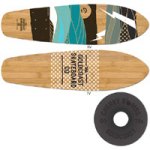
1. There are many places to hide small electronics within the skate board trucks and under the grip tape of the board. I may have to create indentations in the board itself to protect them. I’ve also thought about install LED’s in the Skate board wheels them selves. The LED’s will be triggered to light up when the board flips or is tilted.
I think I’ll hide a simple on and off switch within the trucks or the risers as well.2. A long board, which is used for rolling along may not obtain the same effect with the use of the accelerometer and led’s. The user only leans from side to side with this model.

3. Snowboards. Probably will only be visible when sky diving.

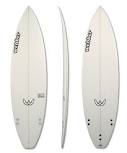
4. Surfing. If the pieces could be repositioned and waterproofed, I believe the accelerometer and LED’s could be used for stylistic and learning purposes. And possible interesting effects at dusk or night.


5. The electronics would almost be hidden. Installation would need to occur during the building of the skate board. Snowboards and Surfboards would need a different installation process.

-
naterudolph
Obviously this took forever to develop, but I thought it might be some good inspiration for your project:
http://cogoo.jp/turntablerider/
-
-
minho
Penguin prototypes
In the South Pole, father penguins are the ones who take care of their unhatched eggs instead of the female penguins (female penguins travels away to hunt for their family during this time). Sometimes there are accidents of father penguins drop or lose their eggs. Because of the low temperature of the South Pole, if the father doesn’t rearrange the egg in his stomach the egg will freeze.
In this case, the father penguin is blind so he needs help to find his lost egg.
The egg is naive and curious.Because it is almost hatch season, the egg wants to move around. He doesn’t realize he is risking his life and doesn’t know that his father is looking for him.
We, the audience, are the helpers. However we cannot interfere with nature, so instead of taking physical actions, we can use our voice to communicate with penguin through the device.
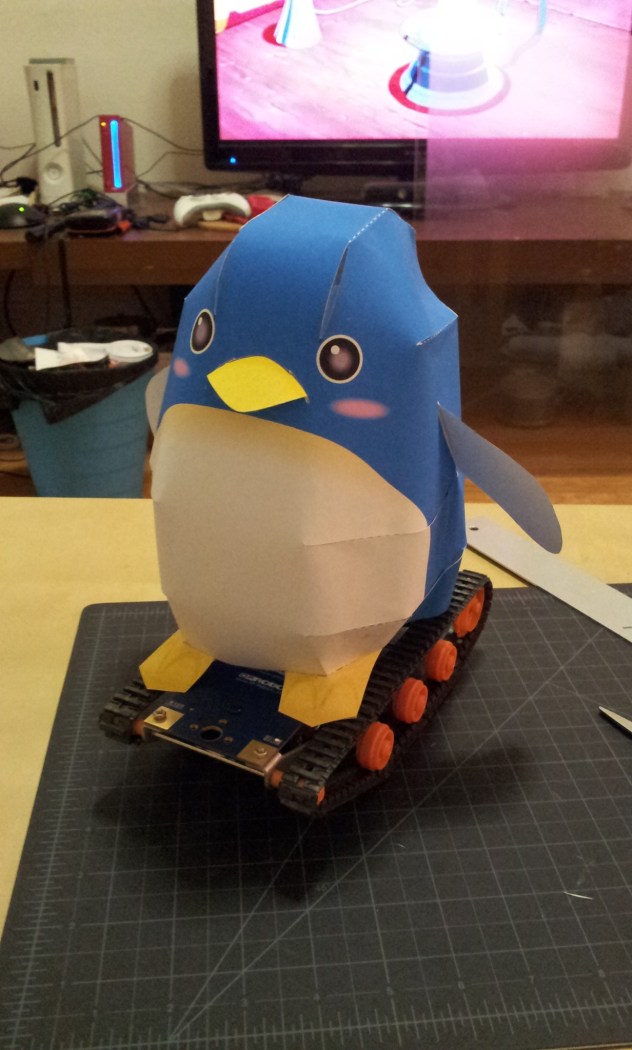
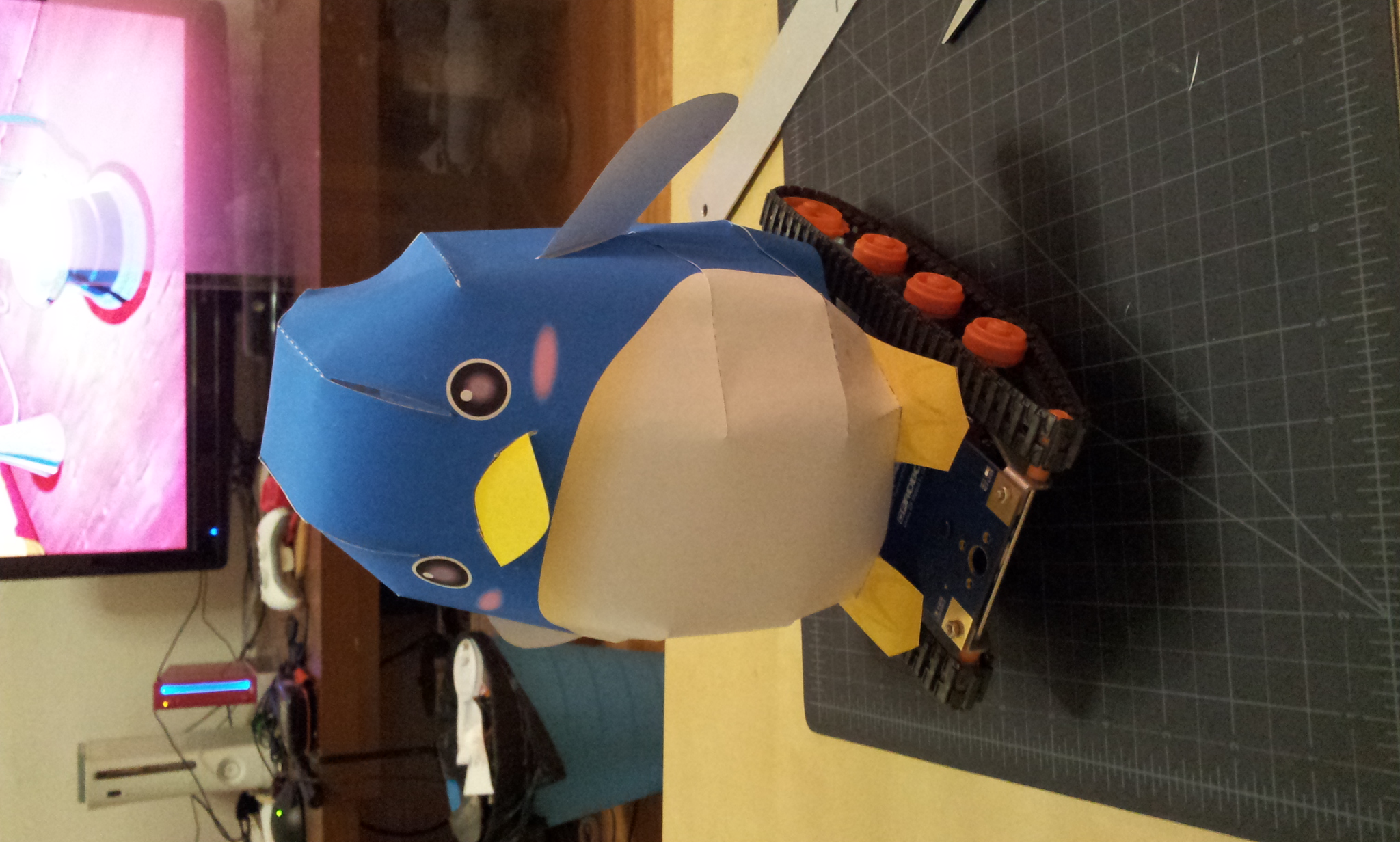
another penguin papercraft penguin_e_a4
-
mkmkmkmk
1) The papercaft penguin I use is cute. STT works!
2) For the penguin casing, I found some papercraft pdfs, but most are needed password to open in photoshop or illustrator. And cutting paper takes time.
And the STT needs perfect pronunciation.
3) I already played with serial communication, I could use the previous code as base.
-
-
kasiawitek
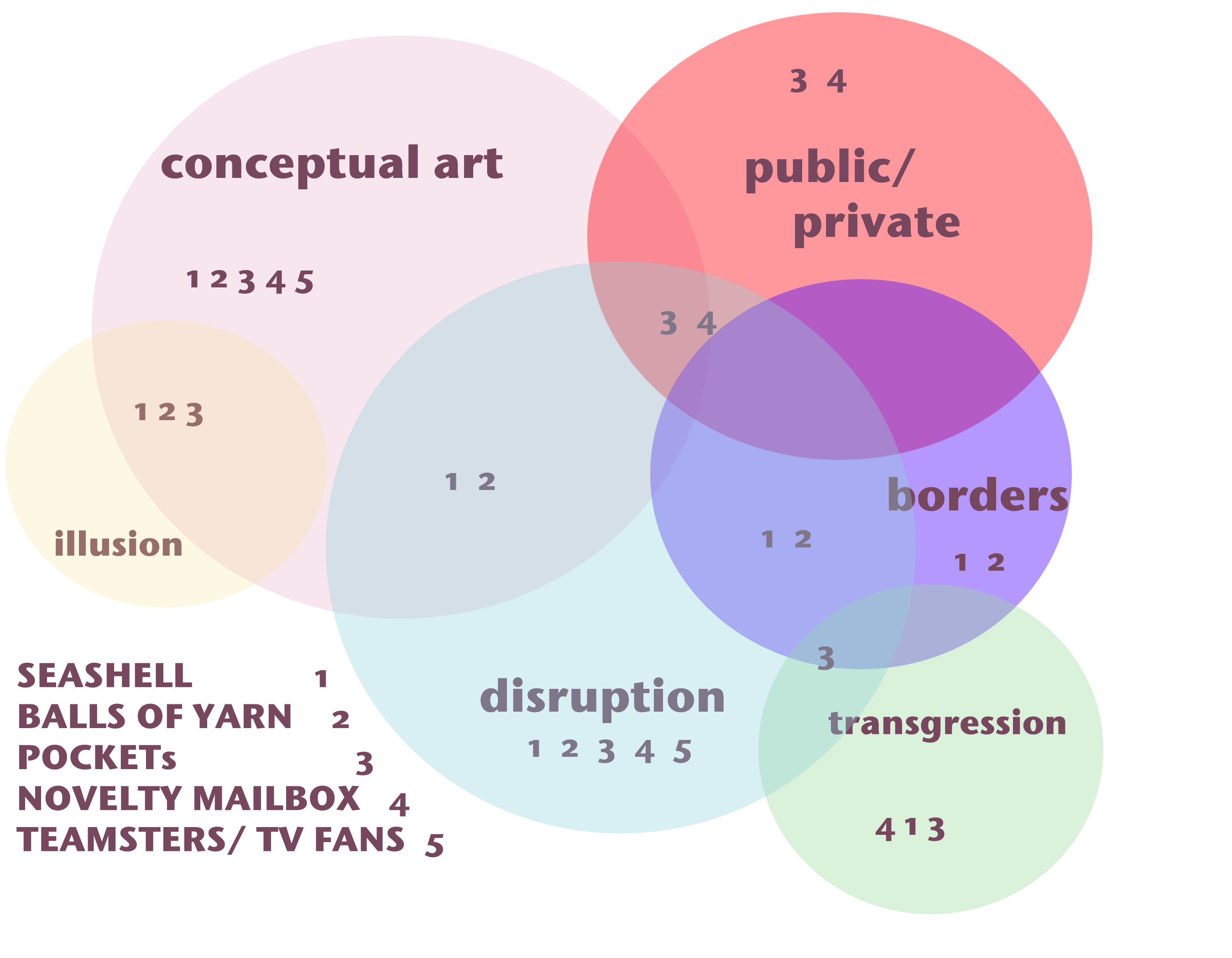
Thinking further. Objects that communicate through disrupting.
Did any surprises come from this round of prototyping?
- The domain exercise was a crucial component for me in the next stop of prototype making. Through mapping domains I came to conclusion that I am very interested in ideas of disruption and conceptualizing that disruption in an unpredictable way. Disruption is still communication. I now want some of my objects to disrupt its owner’s way of going about their business.
The hardest thing.
-Thinking of an usual yet provoking enclosure for the devices. Since i am moving slightly away from functionality and towards conceptual art, I am thinking of odd designs for objects that can disrupt one’s life that one can still carry with herself or utilize in some way in her/his surroundings.
The easiest thing.
-Brainstorming scenarios of the objects disrupting and communicating to its user. For example, if the device in user’s pocket receives a message, let’s say it will start screaming. The user can be on a crowded train or elevator. This disruptive object then blurs the boundaries of private and public. Becomes a public disruption.
-
Joe Volpe
Wireless toys: implementations
Trick Tracker for BMX:
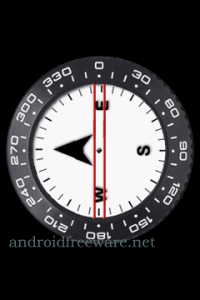
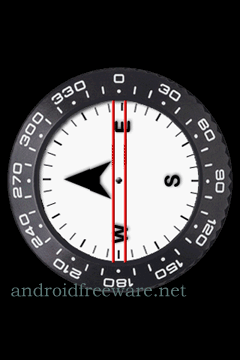
Phone Compass app:
Using a compass and maybe GPS, I will be able to map out rotation.
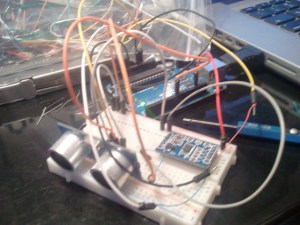
I have the range finder working. This will give me distance from the ground
So far as I have been able to establish, my android phone doesn’t track height from the ground. The closest application involves using gps and the built in camera to triangulate the height of a distant object.
-
Joe Volpe
—-Did any surprises arise from this round of prototyping?
I am astonished of the lack of precedence that I have uncovered involving this project. Rotation and height mapping are either extremely difficult to map on an individual level or not many people have had the need to do so.—-What was the hardest thing about making these prototypes?
Again, the research. I have explored numerous techniques to achieve this goal, including collaborating with a mathematician.
Over all, I need to research compass sensors and test one.I am still exploring smart phone applications involving this project.
—-What was the easiest thing about this round of prototypes for you?
Find the motivation to work on this is easy to come by. I’m interested in creating this project and using it. I see an immediate return in creating this and that pushes me to work at it. -
Caitlin Morris
iPhone accelerometer based project:
http://www.freefallhighscore.com/in Wired Magazine:
http://www.wired.com/magazine/2012/03/pl_bannedgames/
-
-
theliztaylor
More Prototypes for Final – Liz Taylor
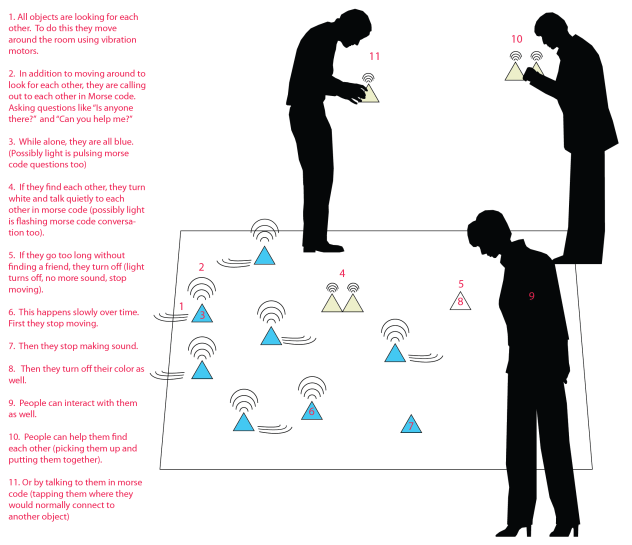
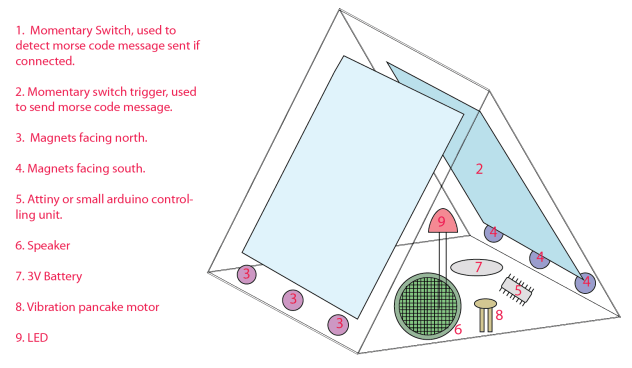
I’m a little behind this week, so for starters I did some detailed diagrams of what I’ll be doing. Actual physical prototypes to come!

-
Yury Gitman
Making Toys Final Project Schedule
4/10- Present Prior Art, Prototypes, User-Feedback
4/17- Iterate 3-6 Prototypes, Document & Present
4/24- Iterate 3-6 Prototypes for User-Feedback, Document
5/1- Present User-Feedback to prototypes, Iteration 2
5/8 – Present Integrated Prototypes and User Feedback Documentation
5/15 – NO CLASS documentation video due. -
Caitlin Morris
Liza + Caitlin : Hula Hoop iteration
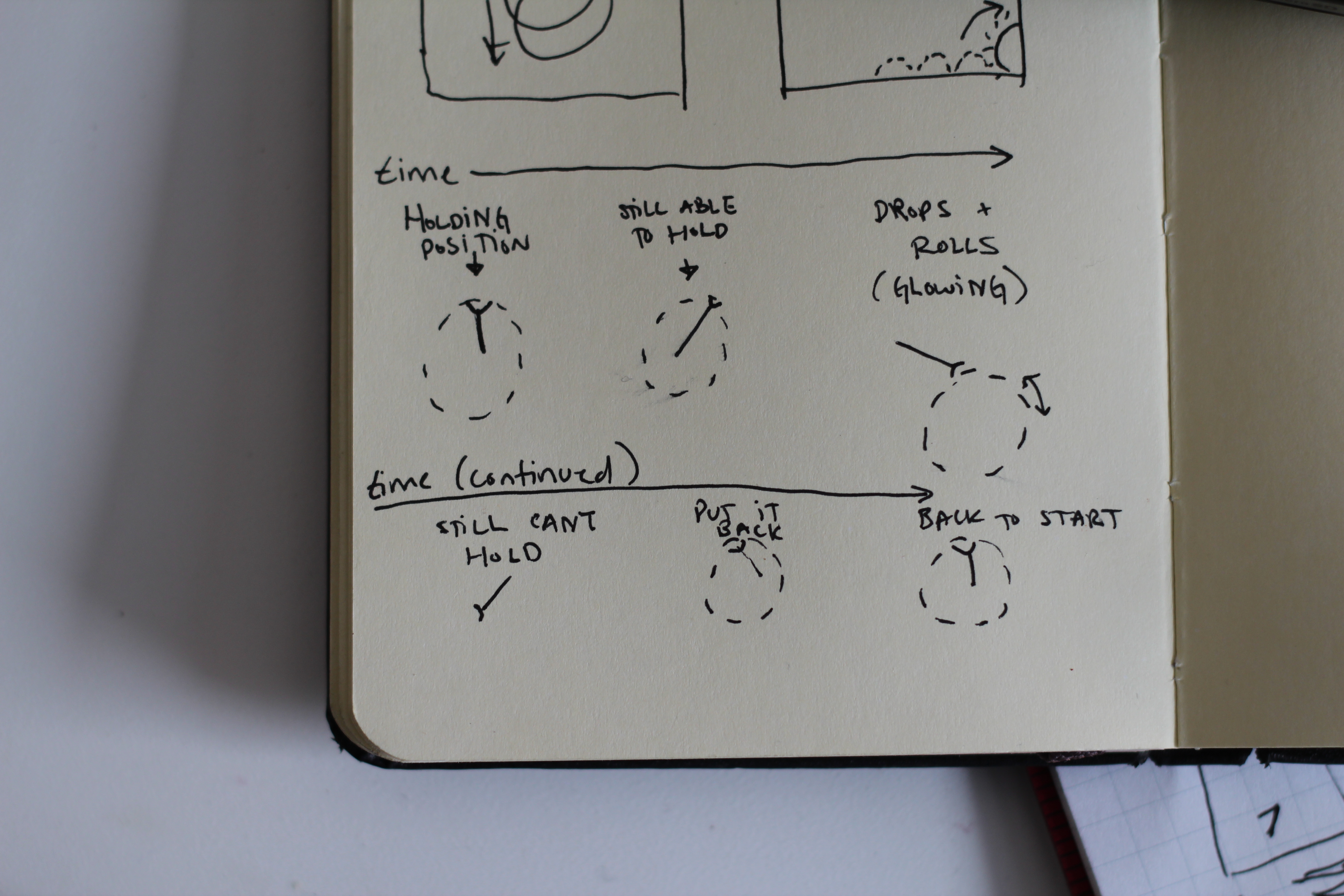
Role: “Clock” device keeps track of position, acts as holder for LED hula hoop. When a certain amount of time has ticked away, the clock hand position no longer allows the hula hoop to be held up, and it falls glowing to the ground.
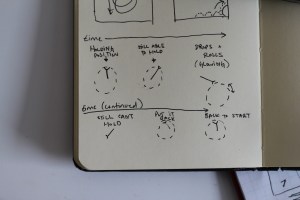

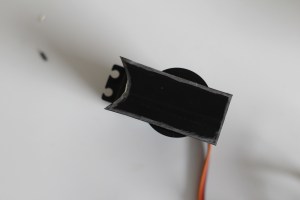
CLOCK HAND PROTOTYPE: Servomotor outputting information about angle of rotation to LED strip receiver in hula hoop
HULA HOOP PROTOTYPE
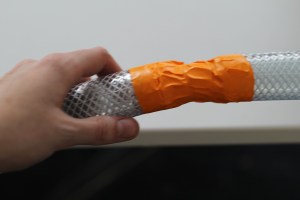
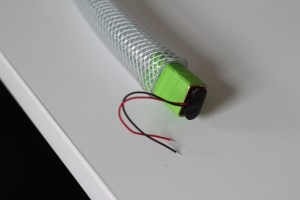

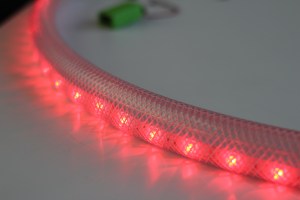
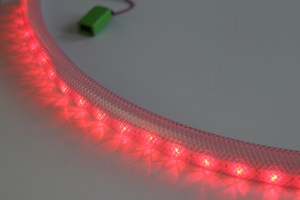
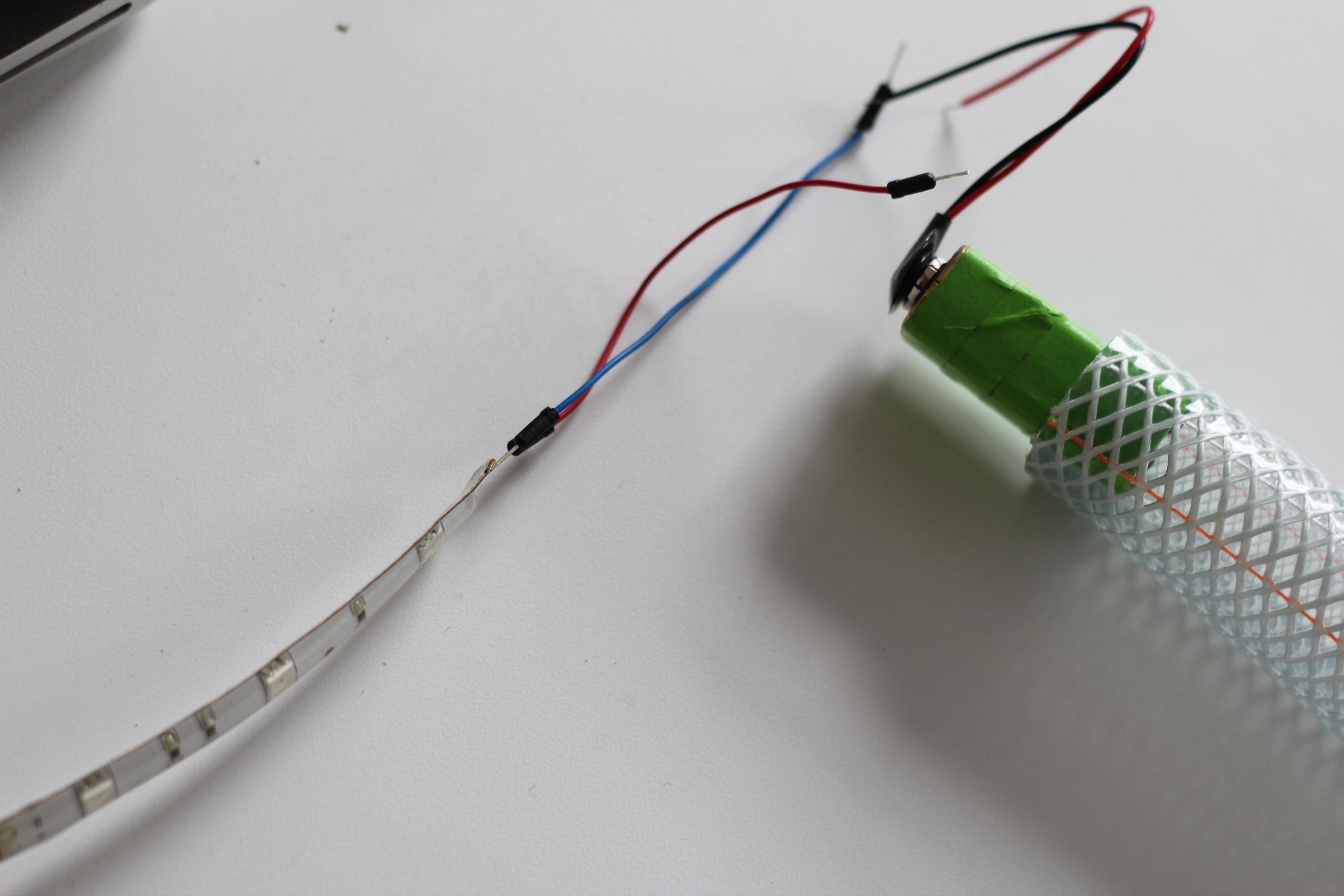
LED STRIP TESTING
-
Caitlin Morris
Did any surprises come from this round of prototyping?
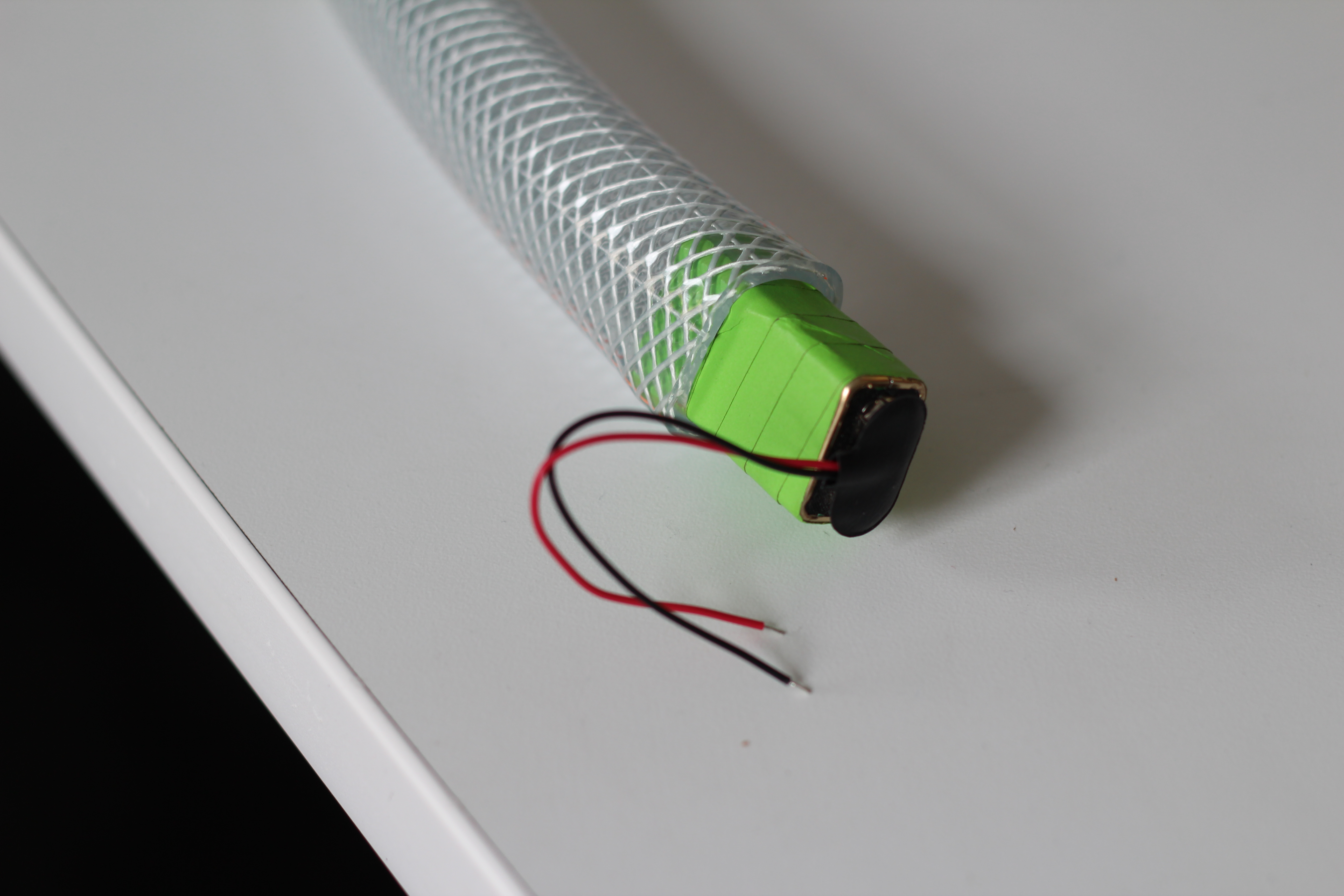
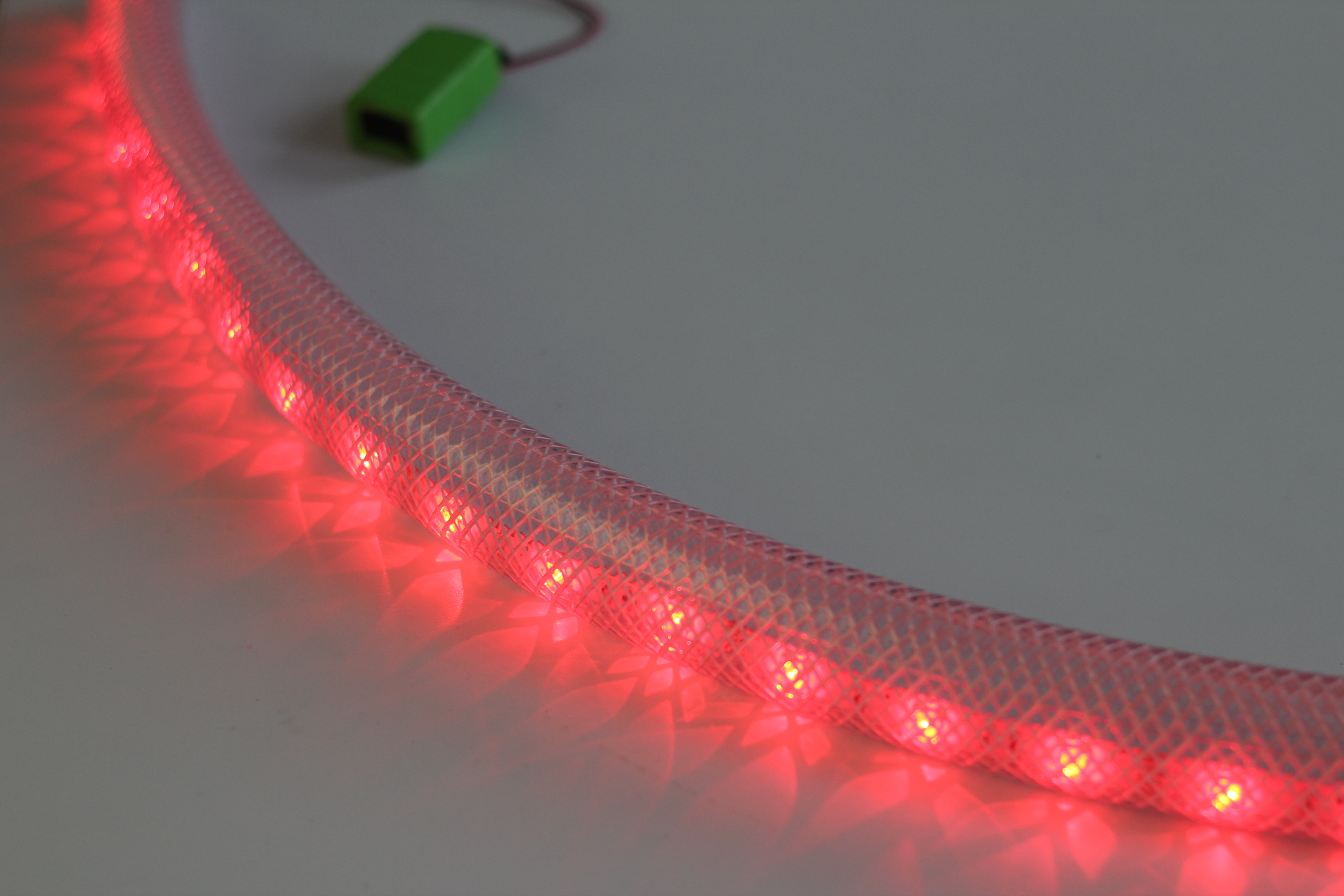
One main (pleasant) surprise was learning that the material of the rubber hoop itself has a significant impact on the way light is dispersed out of the hoop. We found a clear rubber with a braided pattern, which diffracts the light into an interesting crystallized pattern.One less pleasant surprise was the discovery that because the RGB LED strips require 12V to run, we will have to power it with a different source besides the Arduino which acts as the controller. This will prove to be challenging because we are working with a very small space inside the hula hoop tube.
What was the hardest thing to make from this round of prototypes?
The hardest thing was getting the look and feel of the tube itself right. Because we’re using different materials than the standard hula hoop tube in order to allow the light to shine through, it’s a challenge coming up with a combination of materials which still give the rigidity and ease of use of a traditional hoop. We’re going to test with having a harder clear plastic tube inside the larger braided tube, forming a channel in-between for the LED strip.What was the easiest thing from this round of prototypes for you?
The easiest thing was getting the clock mechanism or servomotor running, because servomotors by default are aware of the angle that they’re positioned at. This makes it fairly simple to get the information about clock hand angle and pass it to the lighting. -
liza
One of the big surprises that we had from this round of prototypes emerged from our materials. Word to the wise, always check the datasheet! We realized that the RGB LED strip requires 12 volts and therefore a separate power source from the Arduino. (We did get it to run off of a 9V, so this could be another solution for now.)
The other big surprise came from the tubing we are using. Generally, DIY hula hoops use 1″ irrigation poly tubing, which is usually black and opaque. Since the goal is to find tubing that diffuses the light, we went with another type of tubing (reinforced vinyl tubing 1″ at 125 PSI) that has cross-hatched reinforcements on the inside and diffuses the light beautifully. However, upon testing, we found that it is not rigid enough. Next step is to reinforce with clear plastic tubing.
-

















 naterudolph is discussing.










 liza, and

Catalina
Idea for Final Project
My idea is to do a cloth-book for babies-kids that comes together with stuff animals.
The animals will interact with the book, for example a butterfly that will light and a bird that will sing.
The book will have on a double-page a bird nest with eggs, so when the kid presses the eggs the bird – an independent stuffed animal – will sing…. or a caterpillar on a tree that when the kid pressed caterpillar the butterfly lights up…
10 prototypes:
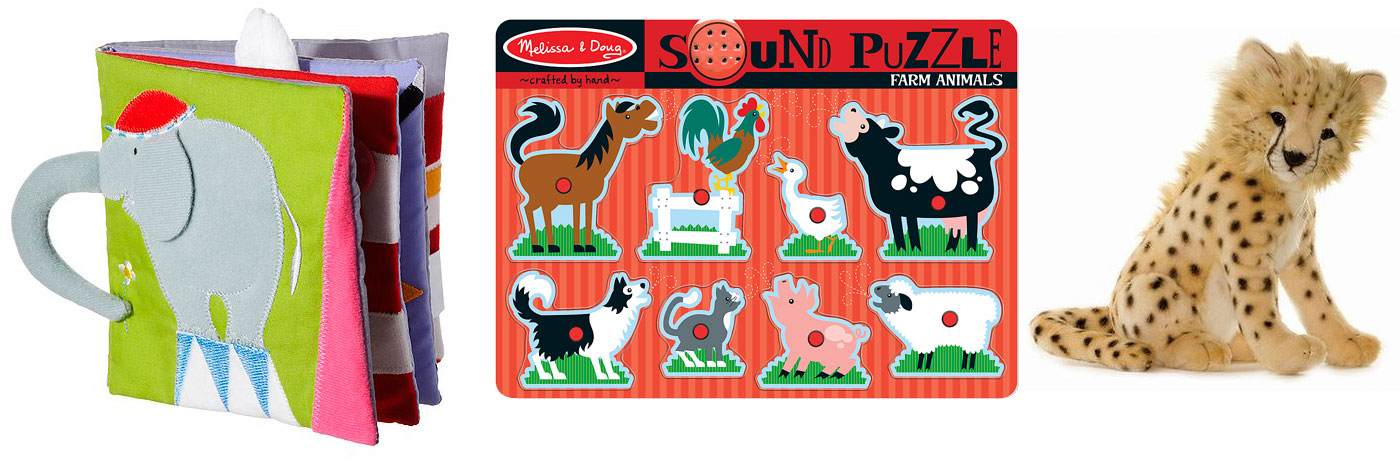
Prior Art: A cloth book, a stuff animal and a sound puzzle….
Look and Feel:
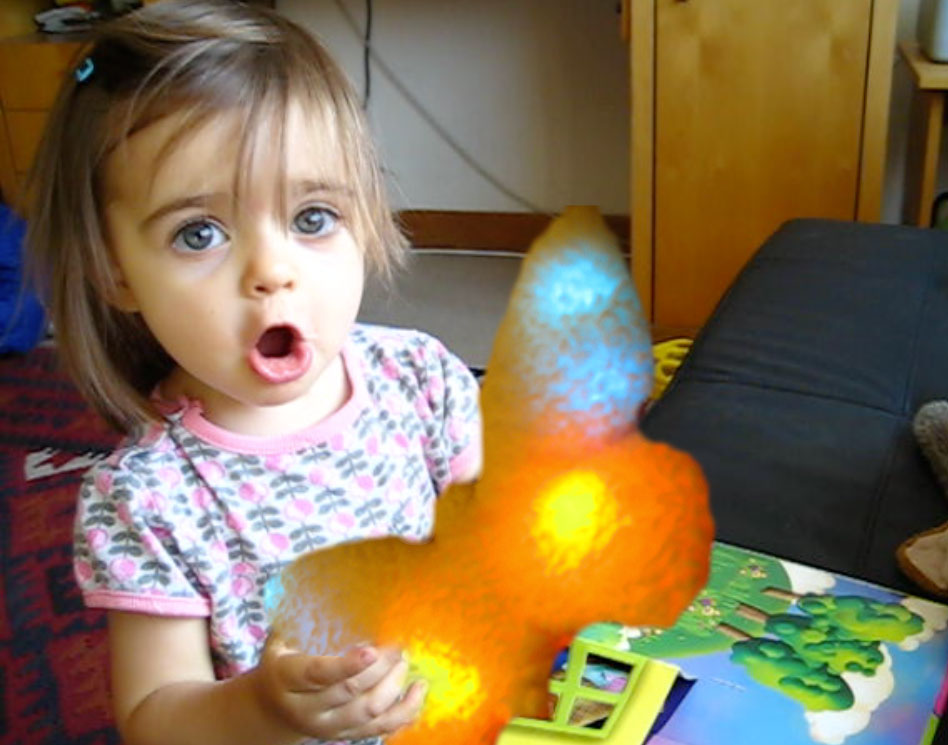
The butterfly on its two states, and the book…

Role: as a book, and also as a toy

Implementation: The butterfly lights when the caterpillar (in the book) is pressed.
-
liza
Electronic Popables: http://hlt.media.mit.edu/?p=5
Telescrapbook: http://vimeo.com/21825986

kasiawitek
Catalina
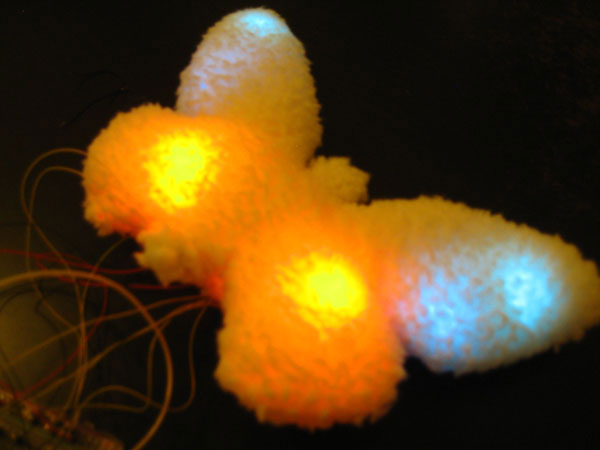
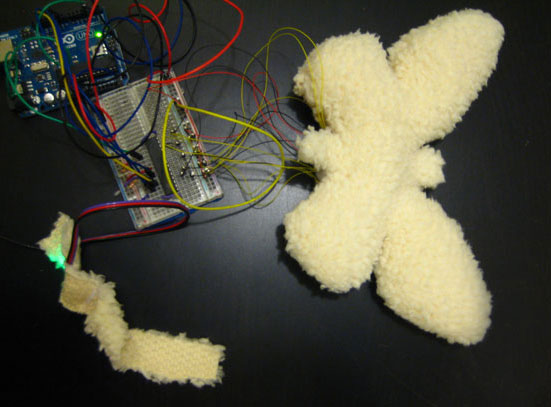
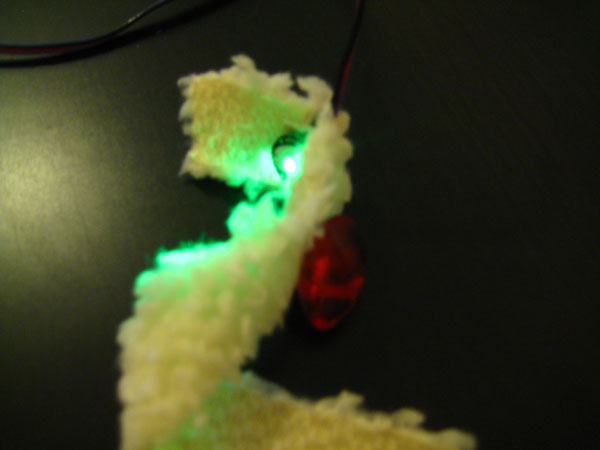
Plush Butterfly
Plush Butterfly is a toy made of soft fabric, which is perfect for babies.
It has color LED’s on its wings. During the day it’s a toy but at night it can be attached to the baby crib, becoming a night lamp.
For now is blinking in response to a pulse sensor. The next step is to make it wireless and replace the pulse sensor for an on/off button.


-
kierbarr
Eric Carle
http://www.eric-carle.com/books.html


aisencc
Domains and Ideas
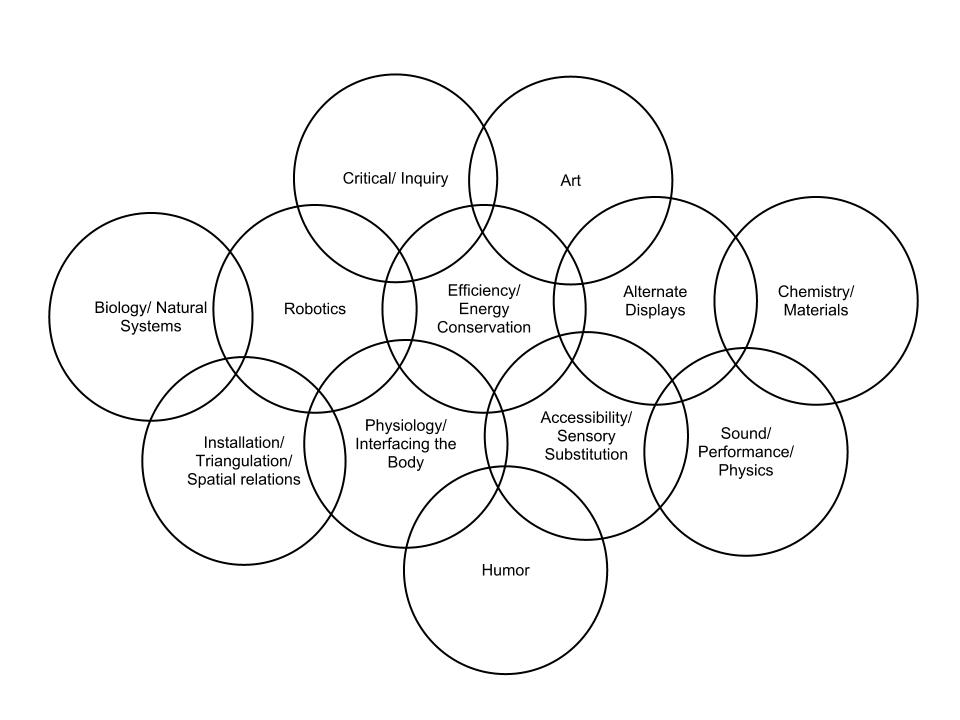
Ideas:
- Tongue Display Unit Art Show
- RainRoom
- Grow a Meal on my Window
- Vending Machine
- Experiments with Tactile Sound
- Octopod for a Quadriplegic
- Summer Pool- Underwater art show
- Falling art fall exhibition
- Designing wearables for Body Evolution
- Designing new species / chimeras / alternate pasts and futures of the human body
- Super powered Disabled/ Ballet Mechanique
- Open Ocean Architecture- International Museum Sub
- More bio-tech- device development
 aisencc is discussing.
 -
aisencc
What are the 2 favored & 2 least favored?
I have taken the opportunity to hash out all of the ideas that have been floating in my head for quite some time now. There is a huge range of them some are more practical than others, and many of them require dreaming amounts of money.
In a perfect world if funding or time was not an issue my dream is to build a round structure that travels through under water the oceans. I would love to research round non-fixed architecture, submarines, among other naval structures to combine them into one museum that has traveling exhibitions. This idea touches on the use of international waters as much as the world citizen idea of new merging cultures.
The second most interesting idea is the Tongue Display Unit because it has already captured me, and began working on it. This idea touches on the fields and domain that I am currently working in.
2 least likely:
pool artshow
fall exhibit-
aisencc
14. Capturing body heat in one’s sleep to warm up the water for a morning shower
15. Biodegradable business
-


Amira Pettus
Domains/ideas
Domains and Ideas for Last Project.
1.) Seriers of objects that comment on Internet of Things/ data gathering and analyzing…
toilet bowl cleaner / toilet / etc that sends data to Pachube.
2.) Interactive installation or game that deals with multi- cultural experiences/confusion
3.) Performance dealing with coming of age rituals -> specifically ones dealing with altering the body
4.) crossing borders ( Installation about trials of border crossing )
5.) Children loosing their mother tongue due to assimilation resulting in loss/change of identity ( installation)

-
Amira Pettus
Hardest part of the exercise was coming up with idea/concepts for projects.I STILL CANNOT COME UP WITH CONCEPTS….I HAVE A TOTAL BRAIN CLOG. Easy parts were coming up with domains for areas of interest. I general areas of interest but am having issues coming up with a strong concept of any kind minus my Pachube sarcastic commentary.
-
Nate
Thought you might enjoy the ridiculousness of this given your topic:
http://kohler.com/numi/#video.html
-


naterudolph


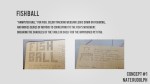

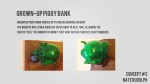

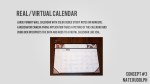
-
naterudolph
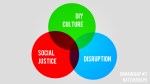
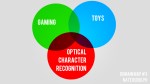
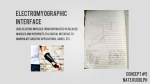
The easiest part of this exercise was curating the ideas. Almost all of the ideas were in some form in a sketchbook or my Evernote account, but it was a little challenging trying to boil down the abstract concepts to a slide’s worth of information. The hardest part was grouping the domain maps. Looking at them now, I’d like to go back and try to collect them into one diagram and see the differences and connections between each of those domains. Right now I don’t think they’re as insightful as they might be if I were to condense them.
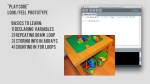
My 2 favorite concepts are the Electromyographic interface and the Play Code idea. The former, because I’m excited to explore the idea of a physical connection manifesting itself on a digital interface, and the latter because I’m interested in teaching younger generations coding principles with games and seeing how that can effect the absorption of knowledge for further skill sets.
My 2 least favorite concepts are the Cappi-chuino and the Grown-Up Piggy bank. The former because arduino shields already exist, and though I think this would be fun, it’s not necessarily that original, I mostly just like the way Cappi-chuino sounds when you say it. The Grown-Up Piggy bank doesn’t necessarily interest me because I’ve already attempted working with it and APIs for banking information aren’t very accessible.

adamsabh
Inspiration Board

Old-time Radio playing new news feeds or pandora.
Foods at sporting events in different cultures and databasing or data visualizing them.
Pollution during sporting events tracker.
Bringing old trends in sporting history to new age environments.
Bring old trends of lifestyles of ppl in different cultures and represent them in this new age in real time.
Interaction

Yury Gitman
Major Studio, Mini-thesis
4/6-
Begin Mini-Thesis
4/9-
Present Role Prototyping, Domain Mapping, Map Concepts on Domains
4/12-
Iterate 7-9 Prototypes for one or two Concepts, Prepare a Thesis Statement for Each
4/16-
Iterate 7-9 Prototypes for one Concept, Rewrite your Thesis Statement
4/19-
Prepare Prototypes for User Feedback, capture User-Feedback
4/23-
Research, Iterative Prototyping, User-Testing, Documentation
4/26-
Prepare 3-6 Prototypes for User-Feedback 2
4/30-
Present User Research and Documentation, make more Iterative Prototype,
5/3-
Iterative Prototyping,
5/7-
Prepare 3-6 Prototypes for User-Feedback 3
5/10-
Present User-Feedback 3 to prototypes, Iterative Prototyping, Documentation
5/14-
Finalize your thesis statement, Present Project
5/16
Turn in Paper————
Begin Mini-Thesis
4/9-
Present Role Prototyping, Domain Mapping, Map Concepts on Domains
4/12-
Iterate 7-9 Prototypes for one or two Concepts, Prepare a Thesis Statement for Each
4/16-
Iterate 7-9 Prototypes for one Concept, Rewrite your Thesis Statement
4/19-
Prepare Prototypes for User Feedback, capture User-Feedback
4/23-
Research, Iterative Prototyping, User-Testing, Documentation
4/26-
Prepare 3-6 Prototypes for User-Feedback 2
4/30-
Present User Research and Documentation, make more Iterative Prototype,
5/3-
Iterative Prototyping,
5/7-
Prepare 3-6 Prototypes for User-Feedback 3
5/10-
Present User-Feedback 3 to prototypes, Iterative Prototyping, Documentation
5/14-
Finalize your thesis statement, Present Project
5/16
Turn in Paper————
Design writing represents one form of expression with the MFADT program. As a result, students in the Major Studio. In addition to learning how to write a design brief, students will also be asked to produce a longer piece of writing associated with the many aspects of their course work.
*Document Objectives
1. Present a clear and concise overview of the project concept;
2. Situate the project within historical and creative contexts;
3. Provide a set of criteria used to evaluate the project;
4. Provide self-assessment of the project’s strengths and weaknesses
5. Give an overview of the design process;
6. Present a list of related resources.
**Guidelines
This document will be composed of the following sections:
A Thesis Sentence and Thesis Paragraph: One sentence that summurized the big picture of the project. This is located in on paragraph that expands on that one sentence.
Domains: what are the domains with which your project engages? What relationships exist between thesedomains?
Summary: a narrative description of the project. What is it, who is it designed for, what is it designed to do, what kind of technology does it explore, etc.
Precedents: What are examples of work that share something in common with your project? These precedents can be contemporary or historical, can be drawn from the realms of design, technology, sociology, psychology, etc. In preparing this section of your document, please include the following information for each precedent discussed:
• title of work and author/designer/artist
• brief description of project
• relevance/relation of the project to your own work
Iterative Design Process and User-testing: a narrative description of your process, prototypes, user-testing, key methods and discoveries, sample sketches, storyboards, diagrams, etc.
Evaluation: the Evaluation section of your document has two parts:
• a narrative summary that outlines your thoughts on the strengths and
weaknesses of your project.
• a list of criteria that you are using to evaluate the quality of your project. These criteria will be shared with the critics during your final presentation, and will serve as the basis for feedback during your review.
Future Directions: Summarizes what step would be taken if this project would be continued in the future. This should be written absolutely last, and after final presentations.
Bibliography, References, Resources: a list of important works used to guide your project. Bibliographic information should include the title of the work, author(s), publication date, publisher, and pages cited.
 Making Toys
Yury Gitman 6:20 pm on April 13, 2012 Permalink |
http://www.solarbotics.com/product/60312/
Check this out. It’s is similar to what you drew. Look around on Solarbotics website. Cool stuff there.
For example, Roomba’s can be controlled by this item they sell. This could make the ultimate “chariot” for say a “Koi fish to move along a hardwood floor”.
Also see:
Google “arduino robot cart”
Also check out: